Freezing temperatures cause commercial overhead door keypads to fail by thickening lubricants, contracting plastics, and increasing electrical resistance in wiring. When temperatures drop below freezing, the keypad may become unresponsive, register false inputs, or stop transmitting signals entirely. This is not a software glitch—it’s a physical response to cold that affects mechanical and electrical components alike.
How Cold Affects Keypad Housing and Buttons
The outer casing of most commercial keypads is made from ABS plastic or polycarbonate. These materials become brittle in sustained cold, especially below -10°C. Repeated flexing from button presses can cause micro-cracks that let in moisture. Buttons themselves rely on rubber domes or silicone contacts; these stiffen in the cold, requiring more force to actuate. You might notice you have to press harder, or that multiple presses are needed to register a single input. In extreme cases, the button mechanism can crack internally, leading to permanent failure.
Internal Circuit Board and Connection Issues
Inside the keypad, the circuit board contains thin traces and solder joints. Thermal contraction in cold weather puts stress on these connections. If moisture has entered the housing—common in coastal Metro Vancouver winters—it can freeze, expanding and lifting traces or creating intermittent shorts. Corrosion from road salt or industrial pollutants accelerates this. Signs include erratic behavior: the keypad works sometimes, then stops, or activates doors randomly. You might hear a faint clicking from relays inside the door controller as it struggles to interpret corrupted signals.
Wiring and Signal Transmission Problems
The wires running from the keypad to the door operator are typically low-voltage, often 18-22 gauge. Cold increases electrical resistance in copper wiring, reducing signal strength. If the wiring is old, undersized, or routed through unheated conduits, voltage drop can prevent the signal from reaching the controller. This mimics a dead keypad even when the unit itself is functional. Check for cracked insulation, especially where wires bend near the door frame or conduit entry points. Frost or ice inside conduit can also break continuity.
What You Can Safely Check Yourself
Before calling for service, verify the keypad has power. Many units have an LED that flashes when a button is pressed—if it’s dark, check the power source. Look for loose wires at the keypad backplate or at the controller end. Ensure the housing is sealed; if the gasket is cracked or missing, moisture ingress is likely. You can gently warm the keypad with a hair dryer on low setting (held 30+ cm away) to test if function returns—this confirms cold-related failure without risking damage. Never use open flame or high heat.
When DIY Ends and Professional Help Is Needed
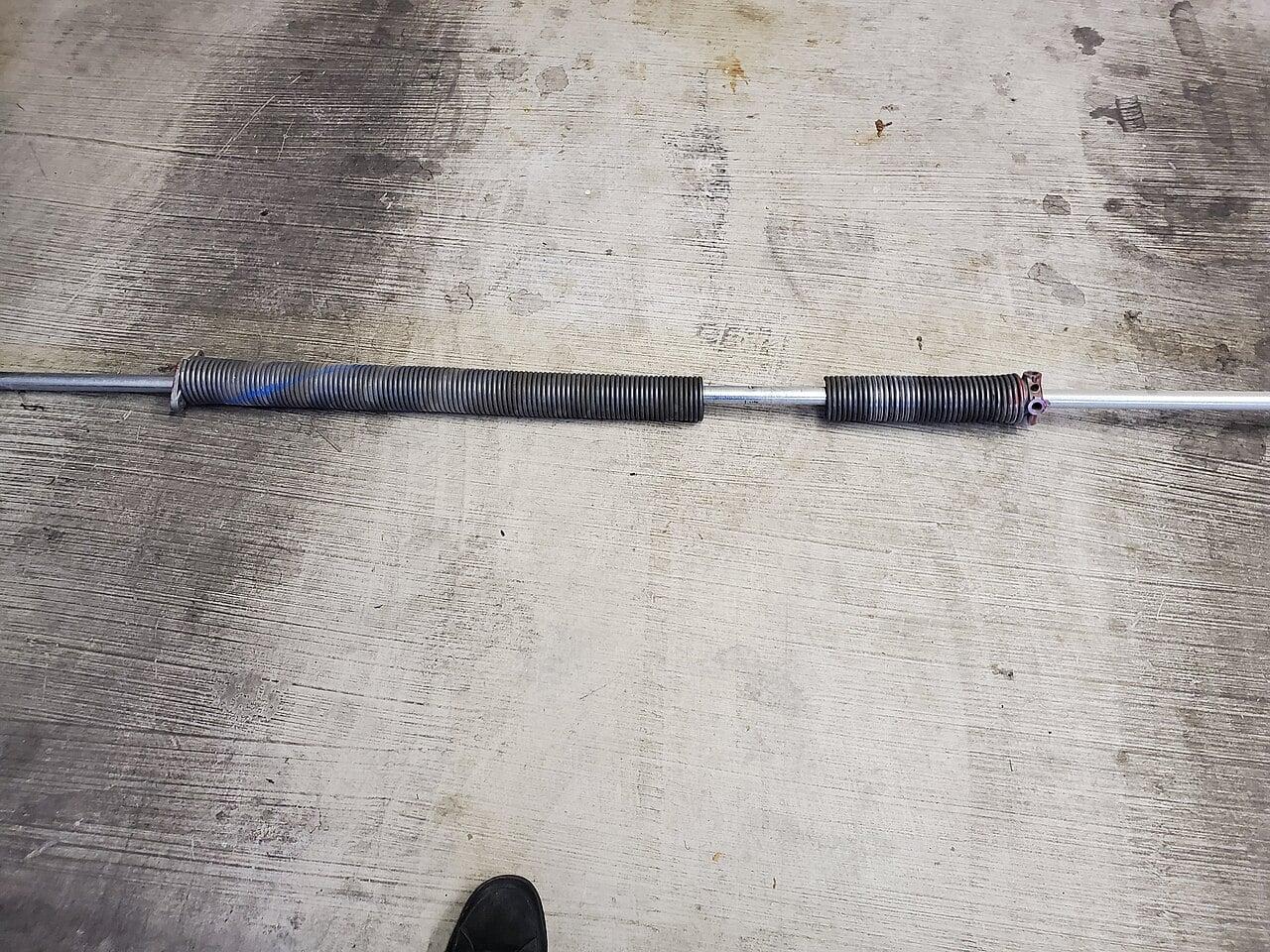
Replacing a keypad unit is straightforward if you match the voltage and wiring configuration. However, if the issue lies in the wiring harness inside the wall, conduit, or near the torsion spring assembly, do not proceed. The torsion spring system stores lethal energy—disturbing cables or brackets near it risks sudden release. Similarly, if the door operator’s logic board is suspect or you’re seeing error codes beyond keypad failure, stop. Misdiagnosis can lead to unnecessary parts replacement or create safety hazards by bypassing interlocks.
Why Metro Vancouver Winters Are Particularly Tough
Coastal BC winters combine damp cold with frequent freeze-thaw cycles. This drives condensation into housings, then freezes it, repeating the stress cycle. Industrial areas near ports or railways see additional corrosion from salt-laden air. A keypad rated for -20°C might still fail here due to moisture ingress, not just temperature. Specifying conformal-coated boards and marine-grade seals helps, but existing units need regular inspection as seals degrade.
Frequently Asked Questions
### Can I use silicone spray on the keypad buttons to help in cold weather?
No. Lubricants attract dust and debris, which can gum up the mechanism. Silicone may also degrade certain plastics over time. If buttons are stiff, the issue is likely material contraction or internal damage—lubrication won’t fix it and could interfere with electrical contacts.
Will a keypad heater pad solve freezing problems?
Only if the failure is purely due to cold affecting internal components, and only if installed correctly. A heater pad adds power draw and must not interfere with RF signals (if wireless) or create hotspots that damage electronics. It’s a band-aid; addressing moisture ingress and wiring integrity is more reliable.
How often should I inspect my commercial door keypad for winter readiness?
At minimum, inspect before winter and after any major storm. Check seals, wiring integrity, and button response. In high-exposure facilities—like those near saltwater or frequent truck traffic—monthly checks during cold months are prudent. Replace aging units proactively if they show signs of brittleness or intermittent function.