Summer heat directly degrades commercial overhead door weather seals through prolonged UV exposure and repeated thermal expansion and contraction. The rubber or vinyl material loses elasticity, cracks, and pulls away from the door frame, reducing its ability to block dust, moisture, and temperature transfer. This is especially problematic in Metro Vancouver warehouses where summer temperature swings can exceed 20°C between day and night, accelerating material fatigue.
How UV Radiation Breaks Down Seal Materials
Commercial door weather seals are typically made from EPDM rubber, neoprene, or vinyl blends designed for flexibility and compression recovery. UV radiation from direct sunlight breaks polymer chains in these materials, causing them to harden and lose pliability. Over weeks of exposure, the surface develops a chalky residue and fine cracks that deepen with each thermal cycle. You’ll notice this as a stiff, brittle strip that no longer compresses evenly when the door closes.
Thermal Cycling and Compression Set
Daily temperature swings force the seal to expand and contract repeatedly. Unlike the door panel, which is steel or aluminum, the seal has a different coefficient of thermal expansion. This mismatch creates shear stress at the mounting points. Over time, the material develops a permanent compression set—meaning it doesn’t spring back to its original shape after being squeezed. The result is a gap along the top or sides of the door, visible as light penetration or a rattling sound in wind.
What Failure Looks and Sounds Like
A failing weather seal shows clear visual cues: cracks running parallel to the door edge, sections that have pulled completely free of the retainer, or a flattened profile where it should be rounded or bulb-shaped. Audibly, you may hear increased wind noise during operation or a flapping sound when the door is closed and breezy. In dusty environments, you’ll also see particulate buildup on the inner door face, indicating the seal is no longer forming a barrier.
What You Can Safely Inspect Yourself
Facility staff can perform a basic visual and tactile check without tools. Close the door and run a gloved hand along the seal’s contact surface—feel for hard spots, cracks, or areas that don’t yield to light pressure. Look for gaps greater than 3mm between seal and frame, especially at corners where stress concentrates. Use a flashlight to check for light leaks from inside the building on a sunny day. Note any sections that feel sticky or leave residue on your glove—this indicates surface degradation.
When DIY Repair Is Appropriate
Replacing a weather seal is a straightforward task if the door is fully open and secured, and the seal is held in place by a simple retainer strip or adhesive channel. You can remove the old seal, clean the channel with isopropyl alcohol, and press in a new extrusion-matched seal using a rubber mallet if needed. Always match the original profile—bulb, fin, or leaf type—to ensure proper compression. Never attempt this if the door is under tension or if you must disengage cables or springs to access the seal.
Why Torsion Springs and Cable Systems Are Off-Limits
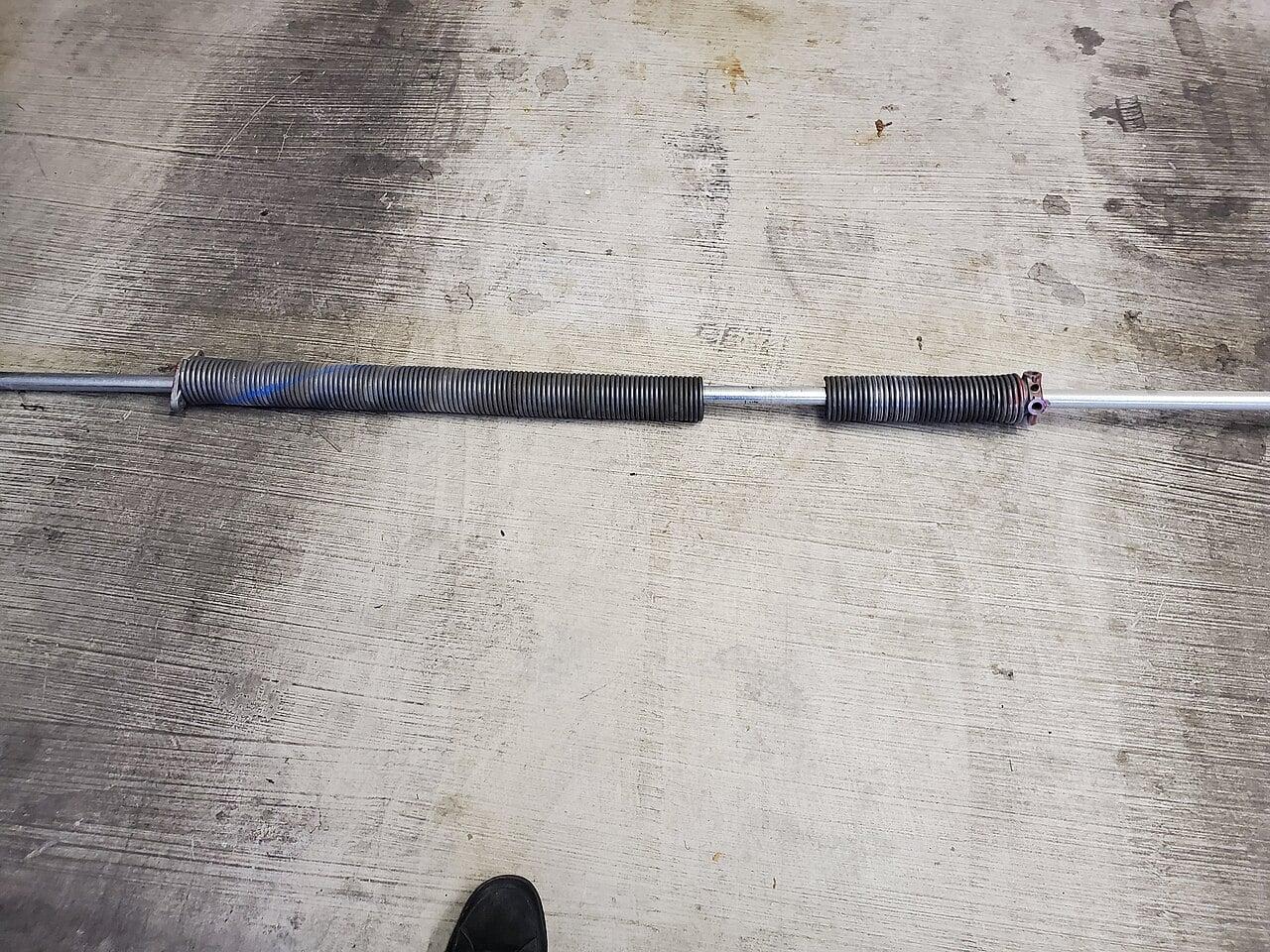
The torsion spring assembly above the door stores enough energy to cause severe injury or death if mishandled. Even if the seal replacement seems to require spring adjustment, you are not qualified to touch these components. Similarly, lifting cables and bottom brackets are under constant load. If accessing the seal requires loosening any hardware connected to the spring system, stop and call a technician. Your safety is not worth the risk.
Frequently Asked Questions
### Can I use silicone spray to restore a cracked weather seal?
No. Silicone lubricants may temporarily reduce friction but do not restore elasticity or repair UV damage. They can attract dust and degrade certain rubber compounds over time. Replace the seal instead.
How often should weather seals be inspected in a commercial setting?
At minimum, inspect seals quarterly—before summer, after summer, and during routine maintenance cycles. High-exposure doors on south- or west-facing walls may need monthly checks during peak summer months.
Will a damaged weather seal affect my building’s energy efficiency?
Yes. Gaps in the seal allow conditioned air to escape and hot, humid air to enter, increasing HVAC load. In large warehouse spaces, this can lead to measurable increases in cooling runtime and energy use during summer months.
CCGDS (604) 206-5727