Yes, you can replace certain types of commercial overhead door weather seals yourself, depending on the seal location and door construction. Bottom seals, side jamb seals, and header seals on standard sectional doors are often accessible without specialized tools. However, seals integrated into the door panel or located near torsion spring assemblies require caution due to stored energy risks. Always disconnect power to the door opener before starting work and secure the door in the open position using clamps on the tracks to prevent accidental movement.
Bottom Seal Replacement on Sectional Doors
Bottom seals typically slide into a retainer channel along the door’s lower edge. Over time, rubber or vinyl seals crack, harden, or pull out due to UV exposure and abrasion. To replace, fully open the door and clamp the tracks just below each roller to prevent dropping. Slide the old seal out of the channel—it may require gentle prying with a flat tool if degraded. Clean the channel of debris and lubricate with silicone spray before pushing the new seal in. Ensure the seal extends evenly across the width and compresses slightly when the door closes to block drafts and pests.
Side Jamb and Header Seal Types
Side jamb seals are usually brush or fin-style strips mounted to the frame with screws or adhesive. Header seals mount above the door opening and may use a similar retainer system. Inspect for gaps where light shows through when the door is closed, or listen for wind noise during storms. Removal involves unscrewing mounting hardware or peeling back adhesive backing. Replace with matching profiles—brush seals for uneven surfaces, compression seals for tight fits. Avoid over-tightening screws, which can warp thin aluminum jambs.
When the Seal Is Part of the Panel
Some insulated or specialty doors have weather seals factory-integrated into the panel edges, such as tongue-and-groove joints with built-in gaskets. These cannot be replaced without removing the panel, which involves disconnecting hinges and potentially dealing with spring tension. Attempting to cut or glue a new seal into these joints often fails because the door’s flex during operation will dislodge it. If the integrated seal is failed, the panel may need replacement or professional re-sealing with industrial adhesives designed for cycling movement.
Signs of Seal Failure Beyond Visual Cues
Listen for rattling or flapping noises during wind—this indicates a loose or missing seal. Feel for drafts along the edges with your hand during operation; even small gaps reduce insulation efficiency. In freezing conditions, ice buildup on the seal’s exterior surface suggests warm, moist air is escaping and condensing outside. Increased pest sightings or water staining on the floor near the door also point to seal degradation. Addressing these early prevents larger issues like frozen doors or damaged hardware.
Risks of Working Near Torsion Springs
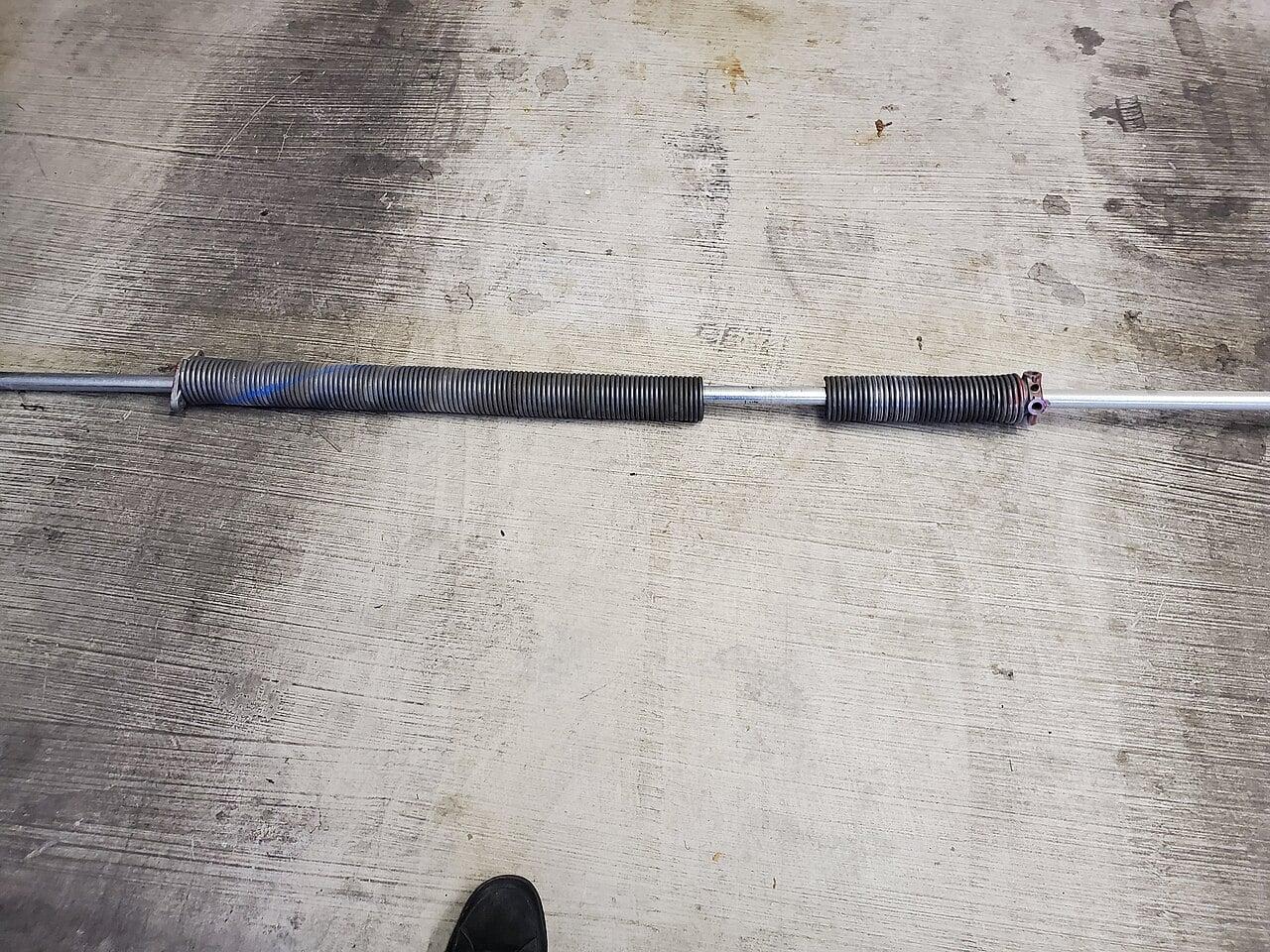
Torsion springs store immense energy to counterbalance the door weight. Never attempt to remove or adjust springs, cables, or bottom brackets unless you are trained and equipped with proper winding bars. Weather seal work near the bottom bracket—such as replacing a seal that threads through a bolt hole—can accidentally release spring tension if hardware is loosened. If your seal replacement requires touching any red-tagged components, stop and call a technician. The same applies to extension spring systems on older doors, which whip violently when released.
Tools and Materials You’ll Need
A ladder, C-clamps or locking pliers for track safety, a flat pry tool, screwdriver set, utility knife, and silicone lubricant are sufficient for most seal replacements. Match the replacement seal to the existing profile—take a sample or photo to a supplier for correct sizing. Use EPDM rubber for exterior seals in BC’s climate; it resists ozone and temperature cycling better than neoprene or PVC. Avoid using household weather stripping; it lacks the durability for commercial door cycles.
When to Stop and Call a Professional
If the door binds, makes grinding noises, or fails to stay open after you release the opener, spring or cable issues may be present—do not continue working. Similarly, if the seal retainer is bent, corroded, or missing fasteners, the underlying frame may need repair. For high-cycle doors in warehouses or loading docks, professional inspection ensures the seal replacement doesn’t mask wear on rollers, hinges, or alignment. CCGDS can assess whether the seal failure is isolated or symptomatic of broader door system issues.
Frequently Asked Questions
### How often should commercial door weather seals be inspected?
Inspect seals quarterly as part of routine maintenance, especially before winter and rainy seasons. High-use doors in industrial settings may need monthly checks due to accelerated wear from debris and cycling.
Can I use adhesive to hold a loose seal in place instead of replacing it?
Adhesive is a temporary fix at best; it fails quickly under flex and temperature changes. A properly seated seal in its channel or mounted with mechanical fasteners will last longer and maintain alignment.
What causes weather seals to harden and crack faster than expected?
Prolonged UV exposure, contact with petroleum-based solvents from nearby machinery, and repeated abrasion from concrete or gravel thresholds accelerate degradation. Choosing seals with UV stabilizers and chemical resistance extends service life.