When a commercial overhead door closes fully but immediately reopens, the issue is often traced to the weather seal interfering with the door’s safety reversal system. Modern commercial doors use either photoelectric sensors or a bottom-edge safety switch to detect obstructions. If the weather seal is damaged, compressed, or misaligned, it can trigger this system falsely, making the door interpret normal closure as contact with an object. This is not a spring or opener malfunction—it’s a feedback loop where the seal’s physical interaction mimics an obstruction.
How the Safety Reversal System Works
Most commercial overhead doors manufactured after the early 1990s include a mandatory entrapment protection system. This is either a pair of photoelectric eyes mounted 4–6 inches above the floor on either side of the door opening, or a pressure-sensitive switch embedded in the bottom astragal (weather seal). The system is designed to reverse the door if it encounters resistance during closure—protecting people, vehicles, and equipment. When functioning correctly, the door stops and reverses only upon actual contact or beam interruption.
What a Failing Weather Seal Looks and Sounds Like
A faulty weather seal doesn’t always appear torn or missing. Common failure modes include:
– The seal becoming hardened and brittle from UV exposure or cold, losing flexibility.
– Sections of the seal rolling inward or bunching under the door as it closes.
– Debris like gravel, ice packs, or cardboard fragments lodged in the seal channel.
– The seal swelling due to moisture absorption, increasing its effective thickness.
During closure, you may hear a rhythmic thumping or flapping as the seal folds unevenly. The door will descend normally, then reverse abruptly—often without visible contact. If you inspect the seal after a reversal cycle, you might see it compressed asymmetrically or displaced from its retaining track.
What Facility Teams Can Check Safely
Before assuming a major repair is needed, perform these visual and manual checks:
1. With the door fully open, inspect the entire length of the weather seal along the bottom panel. Look for cracks, tears, hardening, or sections that have pulled out of the retainer.
2. Check for debris buildup in the seal groove—especially in loading docks or areas with frequent pellet or debris tracking.
3. Manually press the seal upward at intervals; it should offer slight resistance and return to shape. If it feels rigid or stays deformed, it’s likely failed.
4. Verify the photoelectric sensors (if equipped) are aligned and their lenses are clean. Misaligned or dirty eyes can compound seal-related issues.
These steps require no tools and pose no risk. Do not attempt to adjust the seal retainer bolts or remove the astragal if you’re unsure of the door’s balance—improper handling can affect cable tension or roller alignment.
When the Problem Is Not the Seal
If the seal appears intact and the door still reverses, the fault may lie elsewhere in the safety system. Common non-seal causes include:
– Misaligned or dirty photoelectric sensors (check for steady LED indicators—blinking means misalignment).
– A damaged or shorted safety edge wire running from the bottom panel to the motor head.
– Water ingress in the safety switch conduit causing false triggering.
– A failing logic board in the door operator that misinterprets sensor signals.
These issues require electrical diagnostics and should not be pursued by untrained personnel. Jumpering or bypassing safety circuits to ‘test’ the door creates a serious entrapment hazard and violates workplace safety regulations.
What Not to Do: DIY Limits and Hazards
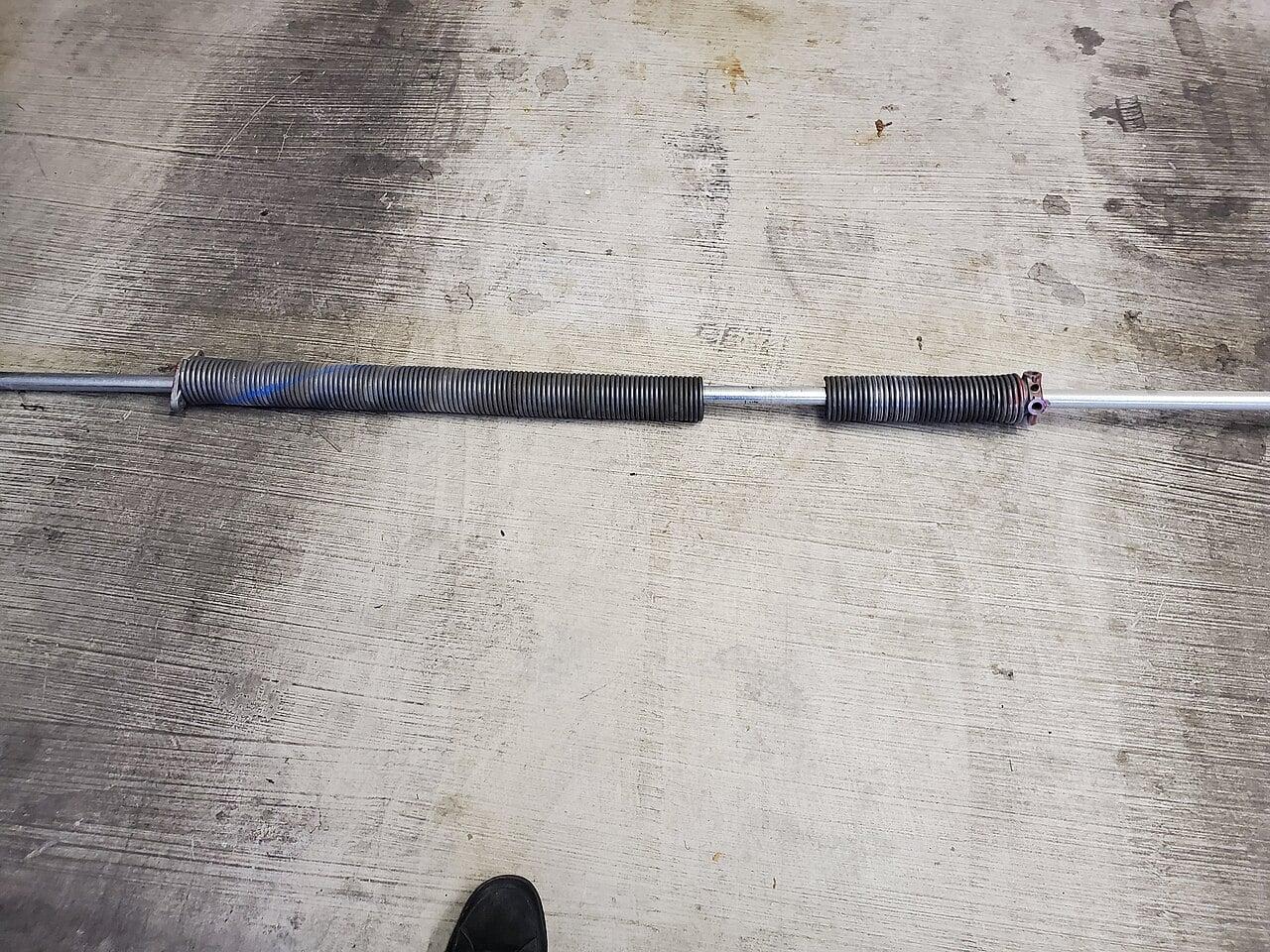
Never disconnect or tamper with the torsion spring assembly, cable drums, or lift cables to investigate door movement issues. These components operate under extreme stored energy—release can cause severe injury or death. Similarly, avoid adjusting the limit screws on the motor head without understanding how they interact with the safety reversal system; incorrect settings can prevent the door from closing fully or cause it to slam.
If the weather seal is clearly degraded and reversing persists after cleaning and inspection, replacement is the appropriate next step. This involves removing the old astragal, sliding in a new seal of the correct profile (often T-type or bulb-style for commercial doors), and securing it without over-compression. While this is a manageable task for experienced maintenance staff, it requires the door to be secured in the open position to prevent sudden drop.
Frequently Asked Questions
### Can a cold weather snap cause the door to reopen even if the seal is new?
Yes. Rapid temperature drops can cause certain rubber seals to contract and stiffen temporarily, increasing their effective diameter until they warm and flex. This is more common with lower-grade seals not rated for sustained sub-zero cycling.
Should I lubricate the weather seal to prevent sticking?
No. Lubricants attract dirt and degrade rubber compounds over time. Instead, keep the seal and its track clean and dry. If ice buildup is the issue, use a plastic scraper—never metal—to avoid cutting the seal.
How often should commercial weather seals be inspected in high-cycle facilities?
At minimum, quarterly. In environments with abrasive debris, extreme temperatures, or chemical exposure (e.g., food processing, salt storage), monthly checks are advisable to catch hardening or tearing before it triggers safety faults.
CCGDS (604) 206-5727