A commercial overhead door that moves slowly during opening or closing is often experiencing reduced torque from its torsion spring system. This isn’t usually a motor issue—it’s a mechanical one where the springs can’t deliver the force needed to lift the door efficiently. The door may crawl along the tracks, hesitate mid-cycle, or trigger the opener’s overload protection. This symptom appears in sectional doors across warehouses, loading docks, and industrial facilities in Metro Vancouver, especially after seasonal temperature shifts or years of cycling.
How Torsion Springs Generate Lifting Force
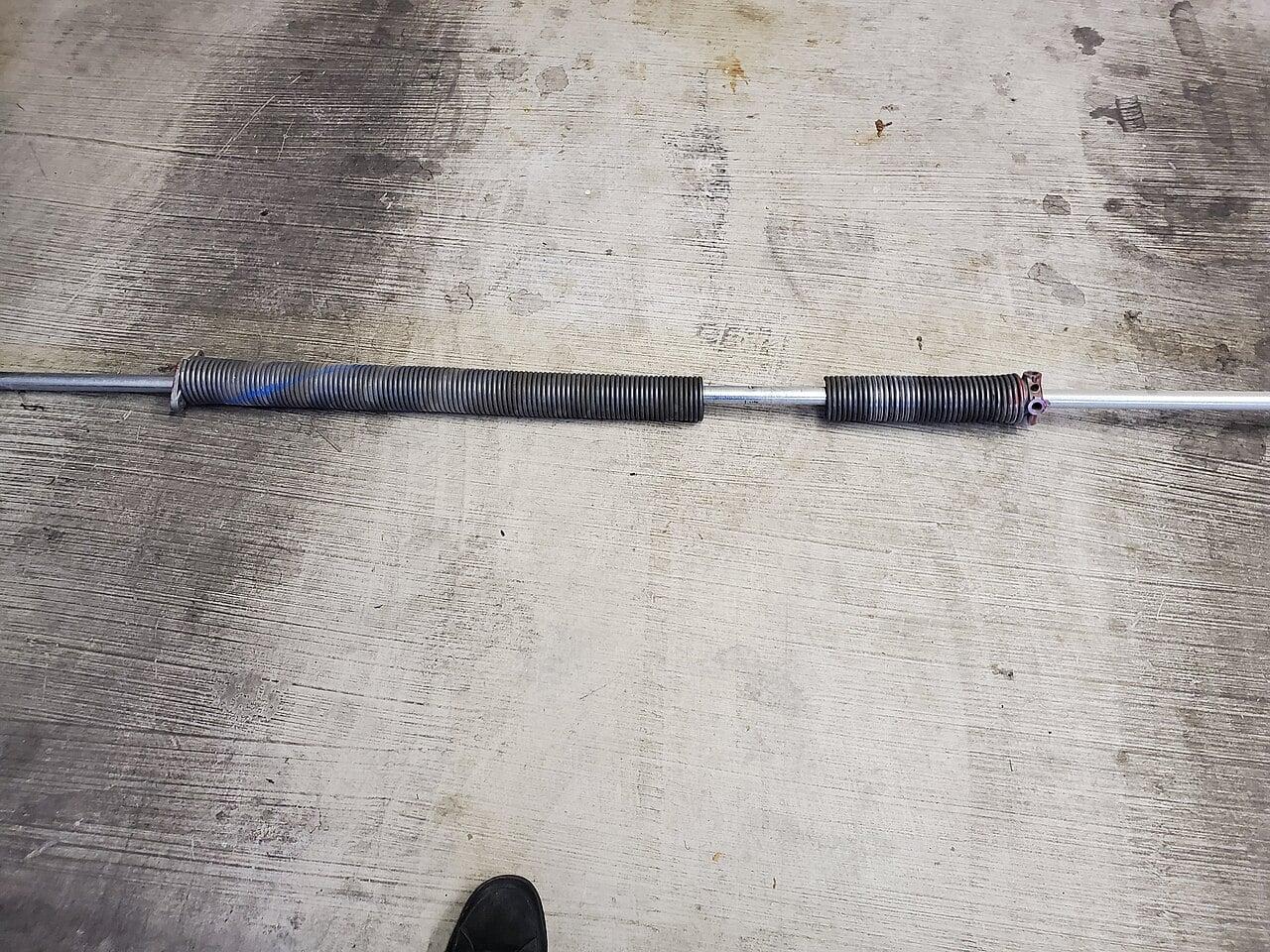
Torsion springs are mounted horizontally above the door opening, wound around a steel shaft. When the door closes, the springs wind up, storing mechanical energy. When opening, that energy releases to assist the motor in lifting the door’s weight. Each spring is engineered for a specific door height, width, and panel gauge—typically rated for 10,000 to 25,000 cycles. Over time, metallurgical fatigue causes the spring steel to lose elasticity, reducing its ability to store and release energy efficiently. This results in slower acceleration and deceleration, even if the motor is functioning at full power.
What Slow Movement Looks and Sounds Like
You’ll notice the door takes noticeably longer to travel from floor to fully open—sometimes doubling the normal time. It may move in jerks or stutters, particularly at the start of the cycle. The opener might strain audibly, producing a humming or buzzing sound as it works harder to compensate. In some cases, the door will reverse unexpectedly, interpreting the slow movement as an obstruction. These symptoms often worsen in cold weather, as spring steel becomes more brittle and less responsive.
What You Can Safely Check Yourself
Before calling a technician, verify a few things without touching the spring assembly. First, disconnect the opener by pulling the release cord and manually lift the door to waist height. If it feels unusually heavy or doesn’t stay put, the springs are likely underperforming. Second, inspect the springs visually for gaps in the coils, rust, or visible elongation—signs of fatigue. Third, check the cables and rollers for wear; frayed cables or seized rollers add drag that mimics spring failure. Never attempt to adjust, loosen, or remove torsion springs—they store lethal amounts of energy and can cause severe injury or death if mishandled.
When It’s Not the Springs
Slow movement can also stem from unrelated issues. A failing motor capacitor may reduce starting torque. Misaligned tracks or damaged hinges increase friction. In rare cases, the opener’s limit settings are incorrectly calibrated, causing it to ramp up speed too late. However, if the door lifts smoothly by hand but crawls under motor power, the issue is likely electrical or control-related—not spring degradation. Always isolate variables: test manual operation first to determine if the problem is mechanical (spring, track, rollers) or electrical (motor, capacitor, wiring).
Why DIY Spring Work Is Extremely Dangerous
Torsion springs are under immense torsional load—often equivalent to several hundred pounds of force. Winding bars can slip, or a spring can fracture suddenly, releasing energy like a whip or projectile. There are documented cases of facial injuries, broken bones, and fatalities from improper spring handling. Even experienced maintenance staff should not attempt spring replacement or adjustment without specific training, proper tools, and winding bars rated for the spring size. The risk is not worth the time saved.
Frequently Asked Questions
### Can I lubricate the springs to fix slow movement?
Lubricating the springs with a silicone-based spray may reduce surface friction and quiet noise, but it won’t restore lost torque from metal fatigue. If the springs have lost elasticity, lubrication is a temporary mask, not a repair.
How long do torsion springs typically last on a commercial door?
Cycle life depends on usage and spring rating, but 10,000 to 25,000 cycles is standard. For a door cycling 15 times daily, that’s roughly 2 to 4 years before noticeable degradation begins.
Should I replace both springs if only one is bad?
Yes. Torsion springs work as a pair and age at similar rates. Replacing only one creates imbalance, leading to uneven lift, premature wear on the new spring, and continued operational issues.