A commercial overhead door that reverses before closing is most often caused by incorrect torsion spring tension or a malfunctioning safety system. The door starts to close, then abruptly reverses direction as if hitting an obstruction, even when the path is clear. This behavior is a protective response triggered by the door operator sensing abnormal resistance during the down cycle. Understanding the mechanical and electrical inputs helps isolate whether the issue lies in the springs, cables, rollers, or safety devices.
Torsion Spring Imbalance and Down-Force Detection
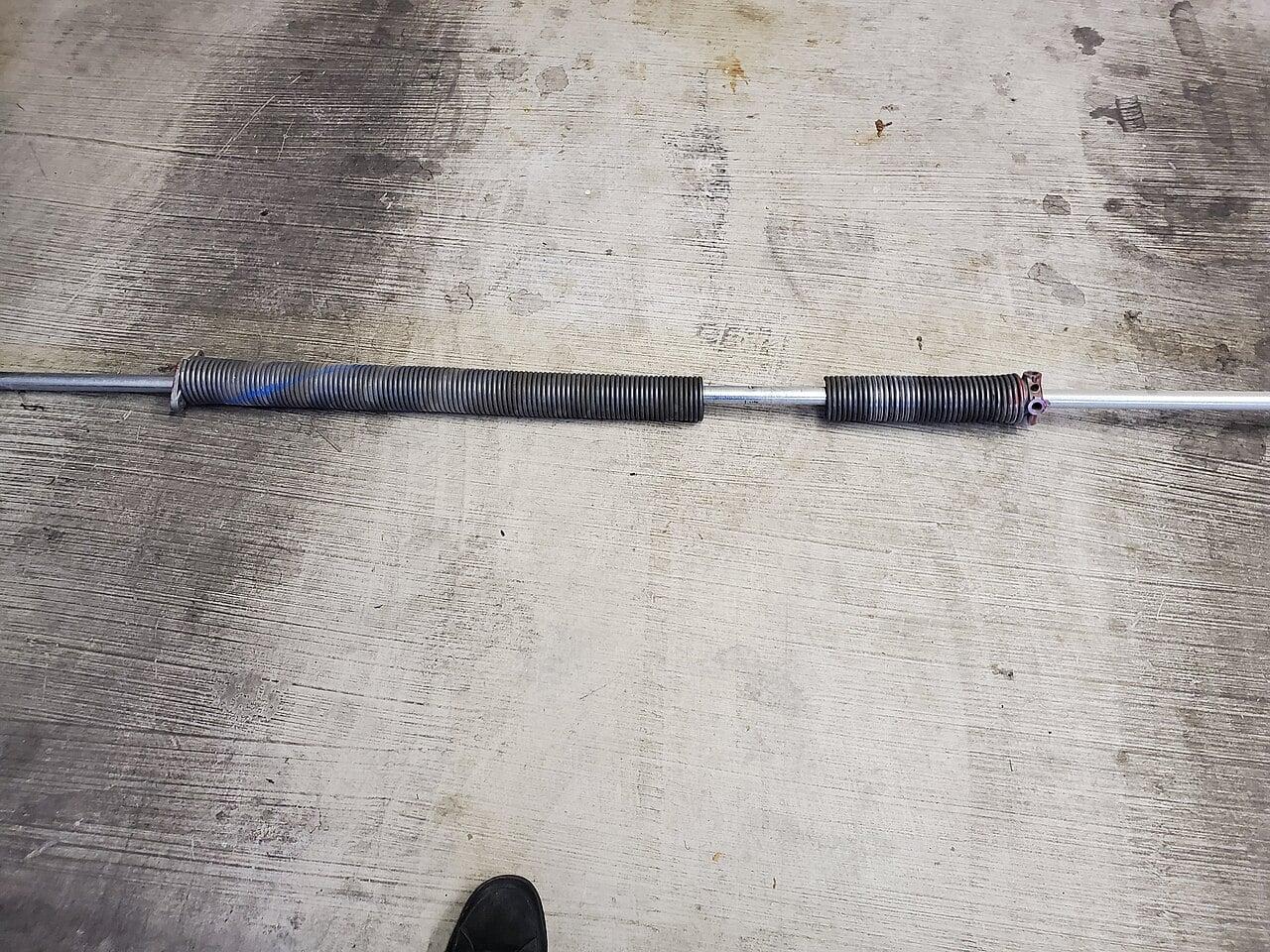
Torsion springs store rotational energy to counterbalance the door’s weight. When properly wound, they allow the motor to lift and lower the door with minimal effort. If one or both springs lose tension—due to fatigue, improper installation, or gradual creep—the door becomes heavier on the downhill side. The operator interprets this increased resistance as an obstruction and triggers the reverse function to prevent damage or injury. You may notice the door struggles to stay down when partially closed or drifts upward when released from mid-position.
Worn Cables or Misaligned Drums
Lift cables transfer spring force to the door bottom bracket. Fraying, corrosion, or a cable jumping off its drum creates uneven loading. Even if springs are intact, a snagged or slack cable causes one side of the door to lag, binding the rollers in the tracks. This asymmetry increases motor load during closure, mimicking an obstacle. Inspect cables for broken strands, kinks, or rust, and check that both drums rotate smoothly without wobble. Any cable damage requires immediate professional attention due to stored spring energy.
Roller and Track Binding
Steel or nylon rollers riding in vertical tracks can seize from dirt accumulation, lack of lubrication, or impact damage. A roller that stops turning forces the door to slide sideways, gouging the track and increasing drag. Listen for a rhythmic squeak or grind that repeats with each panel’s movement. Visually inspect rollers for flat spots or seized bearings, and check tracks for dents or debris. Lubrication with a silicone-based product may temporarily alleviate minor friction, but bent tracks or damaged rollers need replacement.
Safety Sensor Obstruction or Misalignment
Photoelectric sensors near the floor create an invisible beam; if interrupted, the door reverses. Dust, condensation, or misaligned lenses can cause false triggers. Clean the sensor faces with a dry cloth and verify both units show steady indicator lights—blinking often means misalignment. Ensure nothing blocks the beam path, including low-hanging cables, debris, or ice buildup in cold weather. Sensors are low-voltage and safe to inspect, but wiring issues should be checked by a technician.
Down-Force Limit Settings
The operator’s down-force limit determines how much resistance triggers a reverse. If set too sensitively, normal spring tension or minor friction will cause reversal. This adjustment is typically a screw on the motor unit labeled ‘down force’ or similar. Turning it clockwise increases tolerance; counterclockwise decreases it. Make small adjustments and test after each change. Never disable this feature entirely—it prevents crushing injuries. If repeated adjustment fails to hold, the sensor circuit or motor control board may be failing.
What You Can Safely Check
You can visually inspect springs for gaps in the coils (indicating unwinding), check cables for wear, clean sensors, lubricate rollers, and clear tracks. Listen for abnormal sounds during operation. Test the door’s balance by disconnecting the opener and lifting it manually—it should stay put around waist height and move smoothly. If it feels heavy or drops, spring tension is likely off. These checks help inform a service call but do not correct underlying spring issues.
What Is Not a DIY Job
Adjusting or replacing torsion springs involves releasing or applying stored rotational energy that can exceed 200 ft-lbs. A sudden release can cause severe injury or death. Winding cones, set screws, and cables are under extreme tension—only trained technicians with proper tools should handle them. Similarly, drum replacement, cable re-spooling, or track realignment under load requires professional expertise. If your inspection reveals spring gaps, cable fraying, or the door won’t balance manually, stop using the door and call a qualified service provider.
Frequently Asked Questions
Can a power surge cause the door to reverse before closing?
A power surge can damage the operator’s logic board, potentially altering limit settings or sensor interpretation. However, reversal due to springs or mechanical binding is far more common. If the issue began after an electrical event and no mechanical faults are found, the control board may need inspection.
How often should torsion springs be inspected on a commercial door?
Inspect springs quarterly for signs of wear, gaps in coils, or corrosion. High-cycle doors (over 20 cycles/day) may need monthly checks. Lubrication isn’t required for torsion springs themselves, but keeping them clean and dry helps prevent premature failure.
Is it safe to manually close the door if it keeps reversing?
Only if the door is fully disengaged from the opener and you can control its descent. If springs are weak or cables are damaged, the door may fall rapidly. Never attempt to manually close a door under tension—use the emergency release only to move the door to a fully open or closed position when power is off, then leave it stationary.