Commercial overhead door torsion springs should be inspected at least twice a year and serviced every 10,000 to 15,000 cycles, depending on usage frequency and environmental conditions. These springs counterbalance the door’s weight by storing mechanical energy when wound; each opening and closing cycle fatigues the steel. Over time, microscopic cracks form in the wire, especially at points of highest stress, eventually leading to sudden failure. In high-cycle facilities like distribution centers or loading docks, springs may reach their limit in under two years; in lower-use settings like municipal garages, they might last five years or more. Regular inspection catches early signs of wear before a catastrophic break occurs, which can damage the door, tracks, or pose a safety risk.
Understanding Torsion Spring Function and Failure
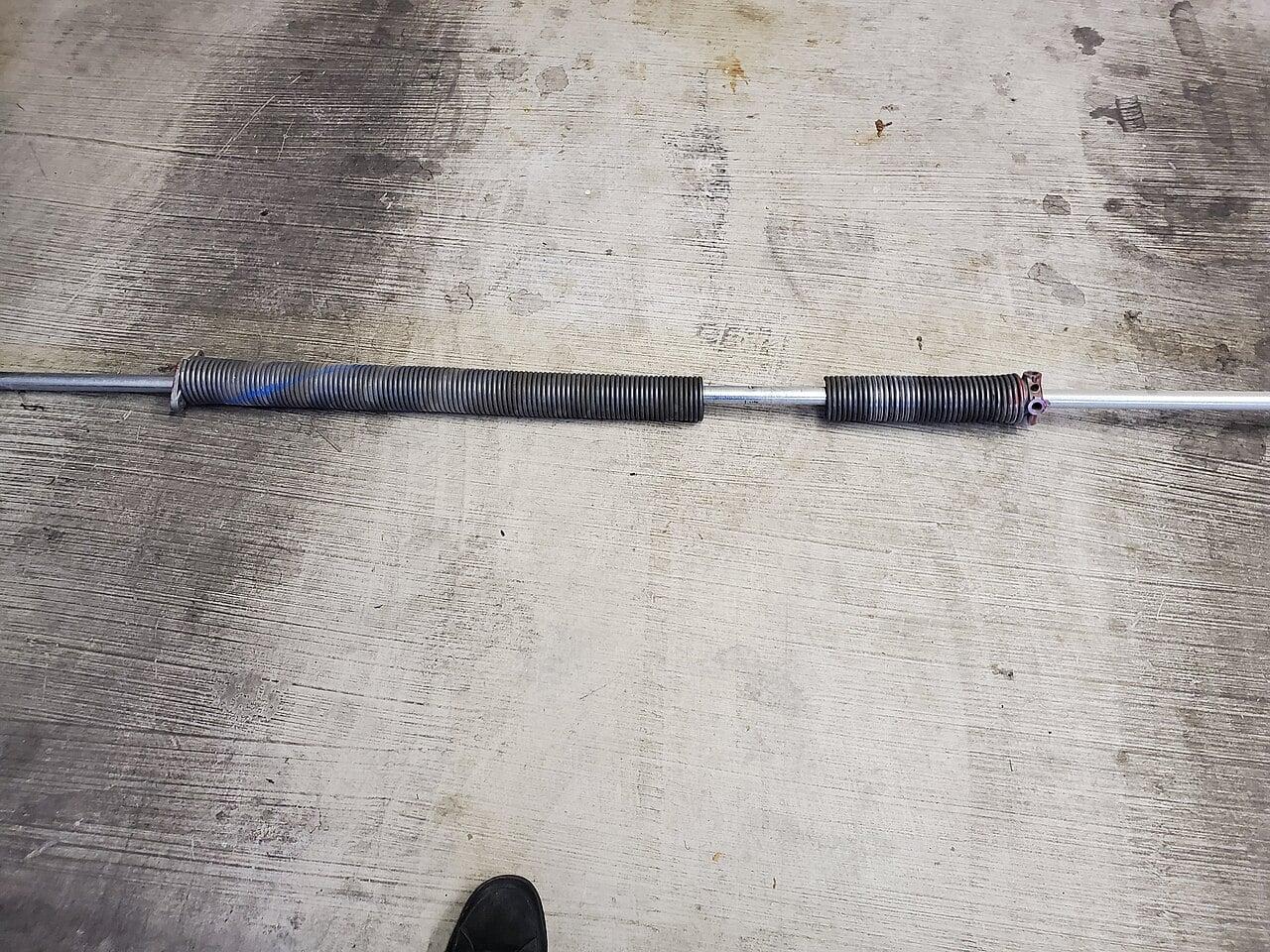
A torsion spring is mounted horizontally above the door shaft, wound tight to create torque that lifts the door via cables and drums. When the door closes, the spring unwinds, releasing stored energy to control the descent. The spring’s life is rated in cycles—one full open and close equals one cycle. Most commercial springs are rated for 10,000 to 25,000 cycles. Factors that reduce lifespan include frequent use, lack of lubrication, exposure to moisture or corrosive agents, and improper winding tension. When a spring fails, it typically breaks at one end or in the middle, releasing all stored energy instantly. This can cause the cable to snap, the door to fall abruptly, or the spring to whip violently across the header.
What Wear and Fatigue Look Like
Before failure, torsion springs show visible signs of degradation. Look for gaps between coils where the spring has begun to unwind slightly, indicating loss of tension. Rust or pitting on the surface, especially in humid or coastal environments, accelerates metal fatigue. You might also notice the door opening slower than usual, sagging on one side, or requiring more effort to lift manually—signs the spring is losing its ability to counterbalance. Listen for creaking, groaning, or popping noises during operation, which can indicate internal friction or shifting coils. A spring that appears stretched out or unevenly wound is nearing end of life and should be evaluated.
What You Can Safely Check Yourself
Facility staff can perform basic visual and operational checks without touching the springs. With the door fully closed, inspect the spring assembly for gaps, rust, or debris buildup. Operate the door through a full cycle and listen for unusual noises or hesitation. Check that the door stays put when lifted halfway—if it drifts down, the spring is losing tension. Lubricate the spring, bearings, and hinges with a silicone-based spray every three months to reduce friction and corrosion. Never attempt to adjust, tighten, or loosen the set screws on the spring cones or touch the winding cones—these are under extreme tension and can cause severe injury if released unexpectedly.
Why DIY Adjustment Is Extremely Dangerous
Torsion springs store enough energy to lift a 300-pound door; when wound, that force is concentrated in a small steel wire. If a winding cone slips or a set screw fails during adjustment, the spring can release violently, causing lacerations, broken bones, or worse. The cables attached to the spring can also become projectiles. Even experienced technicians use specialized tools like winding bars and follow strict procedures to manage the tension safely. Any adjustment to spring tension, repositioning, or replacement must be performed by someone trained in high-tension spring systems. There are no exceptions for ‘quick fixes’ or temporary tightening—this is not a task for maintenance staff without specific certification.
When to Call a Professional Technician
Schedule a professional inspection if the door is overdue for service based on cycle count, if you notice visible wear, or if the door operates unevenly. A technician will measure spring tension, inspect the shaft and bearings, check cable condition, and lubricate all moving parts. They can also verify that the spring is correctly sized for the door’s weight—using an undersized spring accelerates wear. If replacement is needed, they will match the wire size, length, and inside diameter to the original specifications. In high-use facilities, consider installing a spring counter or cycle tracker to monitor usage and predict service needs more accurately.
Frequently Asked Questions
### Can I lubricate the torsion spring myself?
Yes, applying a silicone-based lubricant to the spring, bearings, and hinges every three months is safe and recommended to reduce friction and corrosion. Avoid grease or petroleum-based products, as they attract dust and can degrade seals.
How do I know if my torsion spring is the right size for the door?
A properly sized spring will allow the door to stay balanced when lifted halfway and require minimal effort to operate. If the door sags or feels heavy, the spring may be undersized or worn—only a technician can confirm correct sizing using door weight and drum measurements.
### What happens if I ignore a worn torsion spring?
Ignoring wear increases the risk of sudden failure, which can damage the door panel, bend tracks, break cables, or create a safety hazard. A broken spring also renders the door inoperable until replaced, potentially disrupting facility operations.