A crooked commercial overhead door that prevents the weather seal from making full contact is almost always due to misalignment in the door’s track system or uneven tension in the lifting mechanism. When one side of the door hangs lower than the other, the seal compresses unevenly or not at all, leaving gaps that let in wind, water, pests, and debris. This isn’t just an energy efficiency issue—it can interfere with door operation and accelerate wear on rollers, hinges, and the seal itself. You’ll typically notice light showing through the seal when the door is closed, or hear whistling during windy conditions. The door may also bind or jerk as it moves, especially near the floor.
How Door Tracks Become Misaligned
Overhead door tracks are bolted to the building jamb and must remain perfectly parallel and plumb for the door to roll straight. Impact from forklifts, pallet jacks, or shifting building foundations can knock one or both tracks out of alignment. If the vertical track on one side is bent inward or outward, or if the horizontal track loses its level, the door rollers will ride unevenly. This causes the door panel to tilt as it closes, so one corner hangs lower. You can check this by measuring the gap between the door edge and the jamb at the top, middle, and bottom on both sides—if the measurements differ by more than 1/4 inch, the tracks are likely misaligned. Look for loose bolts, bent angles, or gaps where the track meets the wall.
Why Torsion Spring Tension Causes Crooked Movement
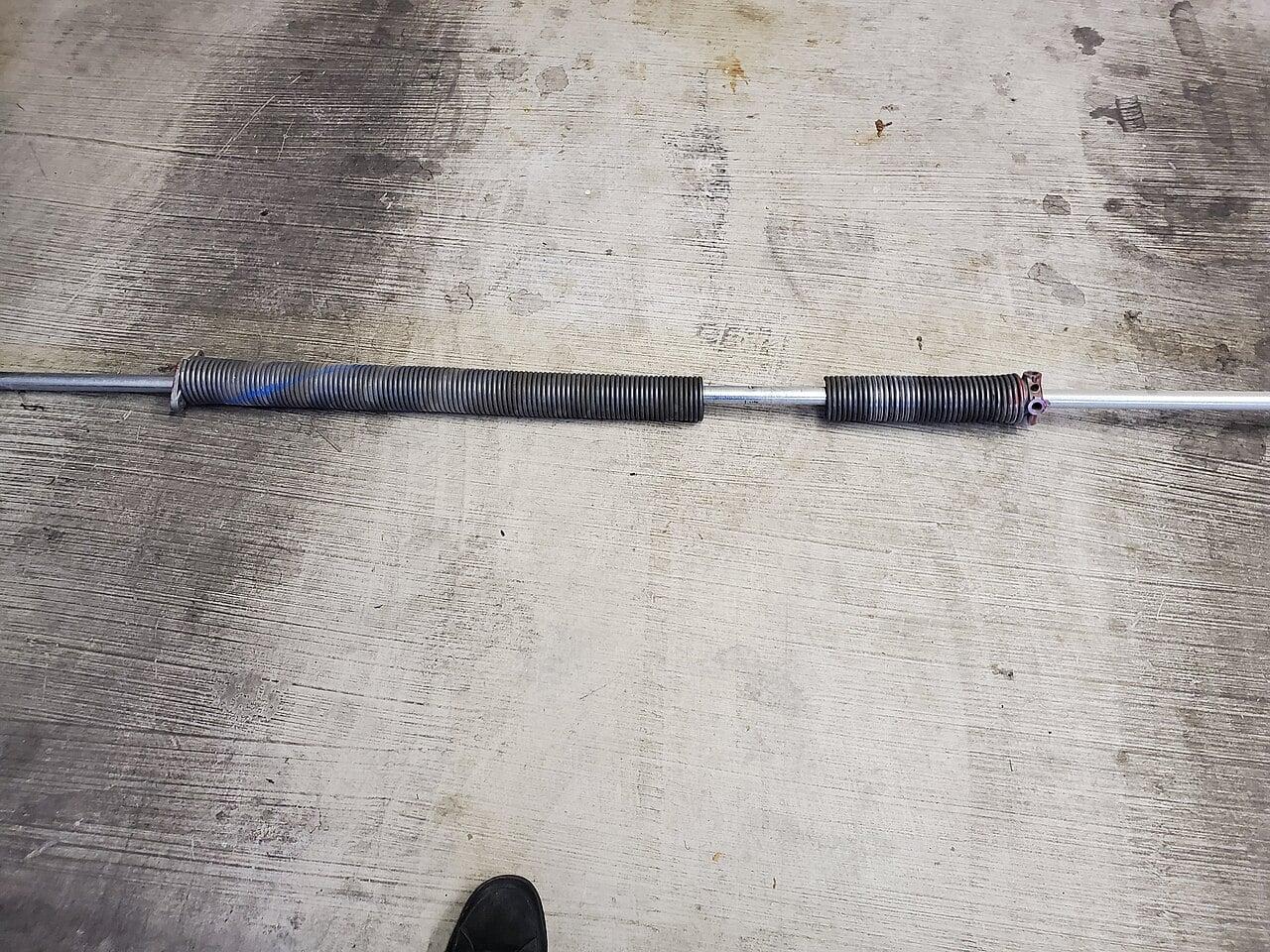
The torsion spring assembly above the door stores rotational energy to lift the door. If the spring is broken, incorrectly wound, or if the cable drum slips on one side, that side of the door loses lift. The heavier side will lag, causing the door to hang crooked during travel and especially at the bottom. You might see the cable frayed or loose on one drum, or notice the door rises faster on one side. Never attempt to adjust or replace torsion springs—they are under extreme tension and can cause severe injury or death if mishandled. Only a trained technician with the proper tools should handle spring-related issues.
Worn or Damaged Rollers and Hinges
Rollers that are cracked, seized, or missing bearings will drag or jump in the track, particularly if the damage is isolated to one side. Similarly, hinges that are bent, elongated from wear, or broken allow the door panel to twist. Inspect the rollers by looking for flat spots, wobble, or metal shavings in the track. Hinges should sit flush against the door and jamb with no visible gaps or deformation. Lubricating rollers and hinges is a routine maintenance task you can do, but replacing damaged components requires removing the door panel tension—this should only be done with the door secured and springs properly managed.
How Building Settling Affects Door Alignment
In older facilities or those built on unstable soil, gradual settling can twist the door opening out of square. This changes the geometry the door was designed for, causing binding and uneven seal compression. You might notice the problem worsening over seasons or after heavy rain. Check if the door frame itself is racked by measuring diagonally corner to corner—if the measurements differ, the opening is no longer square. Correcting this often requires structural adjustments to the jamb or header, which is beyond standard door service and may involve a contractor.
What the Weather Seal Reveals About the Problem
The weather seal itself isn’t usually the root cause—it’s a symptom. A seal that’s flattened on one end and bulging on the other indicates uneven compression from a crooked door. If the seal is torn, hardened, or pulled out of the retainer, it may need replacement, but installing a new seal on a misaligned door will just lead to premature failure. Run your hand along the seal when the door is closed—you should feel consistent, light compression everywhere. Any spot that feels loose or pinched points to a misalignment issue.
When to Call a Technician
You can safely inspect tracks, rollers, hinges, and the seal for obvious damage or looseness. Tightening accessible bolts on the track brackets or replacing a damaged seal are within the scope of facility maintenance. However, any adjustment involving the torsion springs, cable drums, or door panel alignment under tension must be performed by a qualified technician. If the door binds, moves unevenly, or shows signs of cable wear or spring damage, stop using it and call for service. Continuing to operate a crooked door risks catastrophic failure.
Frequently Asked Questions
Can I lubricate the tracks to fix a crooked door?
Lubricating the tracks will not correct misalignment and can actually attract dirt that worsens roller wear. Use lubricant only on rollers, hinges, and springs—never inside the track where it reduces friction needed for proper roller tracking.
How do I know if the problem is the seal or the door?
If the seal is uniformly compressed but still leaves gaps, the door is likely warped or the opening is out of square. If the seal is unevenly compressed—tight on one side, loose on the other—the door is hanging crooked due to track, spring, or panel issues.
Is it safe to operate the door if the seal isn’t sealing properly?
Yes, for short-term use, but monitor for binding, unusual noises, or increased effort to operate. A crooked door places uneven stress on components and can lead to sudden failure, so schedule an inspection promptly.