Summer heat directly impacts commercial overhead door struts by causing thermal expansion in the steel components, which alters alignment and increases friction in the track system. As temperatures rise, the strut—typically a rigid steel bar mounted vertically between the door sections—expands lengthwise, pushing against the door panels and rollers. This expansion can bind the rollers in the track, increase drag on the operator, and create uneven loading across the door’s width. The effect is most pronounced on doors with long spans or those lacking adequate clearance for expansion, especially in non-insulated metal buildings where interior temperatures exceed ambient by 15–20°C.
Thermal Expansion and Strut Function
The strut’s primary role is to prevent lateral bowing of the door panel under wind load or its own weight. Made of cold-rolled steel, it has a coefficient of thermal expansion of approximately 12 µm/m·°C. On a 3-meter strut, a 30°C temperature rise results in nearly 1.1 mm of elongation. While seemingly small, this change is enough to disrupt the precise tolerances required for smooth door operation. The strut is usually fastened at the top and bottom with brackets that allow limited vertical movement but resist lateral shift. When the strut expands, it pushes the door sections apart slightly, misaligning the roller stems with the track and increasing side loading on the hinges.
Visible and Audible Signs of Heat-Related Stress
Facility staff may notice the door hesitates mid-cycle, particularly during afternoon operation when temperatures peak. The door may shudder or vibrate as it moves, accompanied by a rhythmic clicking or scraping sound from the rollers striking the track. In severe cases, the door may stall completely, requiring manual force to close. Inspect the strut for visible gaps between the door sections at the top or bottom—expansion can cause the door to bow outward at the center. Check roller wear; excessive heat increases friction, accelerating wear on the roller bearings and shaft. Listen for new noises that weren’t present in cooler months, especially during the first few cycles after the building has been sitting in direct sun.
What You Can Safely Check Yourself
Before calling a technician, verify a few things without disassembling anything under tension. First, ensure the door is fully closed and disconnected from the opener by pulling the emergency release cord. Manually lift the door to waist height—it should stay in place if the springs are balanced. If it drifts down, spring tension may be compromised, but do not adjust springs yourself. Next, inspect the strut mounting brackets for loose bolts or elongated holes from repeated stress. Use a flashlight to check the track for debris or deformation caused by roller impact. Measure the gap between the door and the jamb at the top, middle, and bottom; a difference of more than 6 mm indicates misalignment likely tied to strut expansion. Lubricate rollers, hinges, and the track with a silicone-based lubricant—avoid grease, which attracts dust and hardens in heat.
When Expansion Masks Other Issues
Thermal expansion can exacerbate existing problems that are less noticeable in cooler weather. A slightly worn roller bearing may not bind at 15°C but will seize at 30°C due to increased friction and reduced lubricant viscosity. Similarly, a loose hinge screw may allow just enough play to go undetected until the strut pushes the door out of alignment. These secondary failures are often mistaken for heat-only issues. If lubrication and bolt tightening don’t resolve the symptom, the root cause may be wear in the roller assembly, hinge fatigue, or track misalignment from foundation settling—none of which are caused by heat but are worsened by it.
DIY Limits and Dangers to Avoid
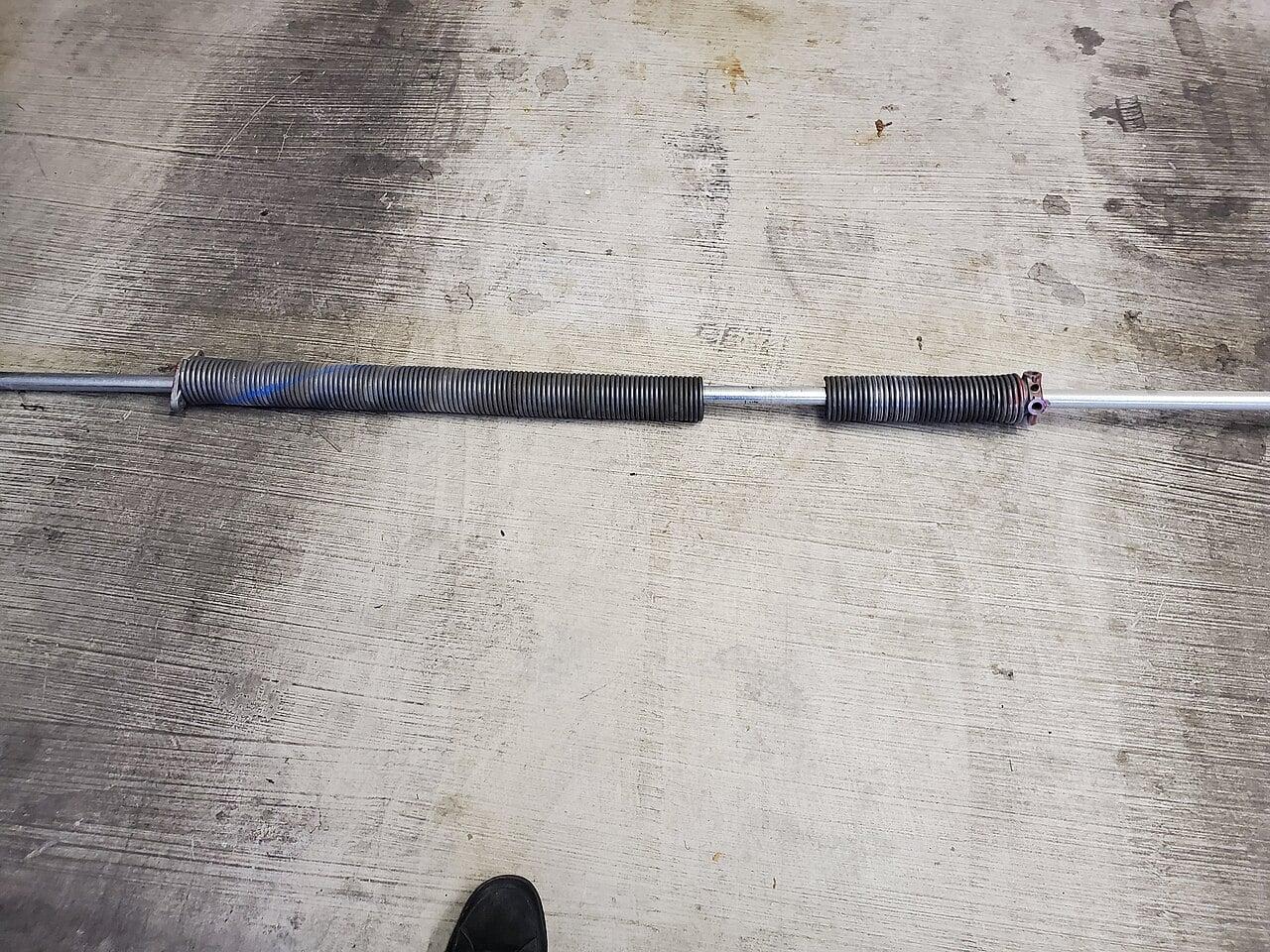
Adjusting or replacing the strut itself is a task a trained maintenance technician can perform, provided the door is fully secured and the opener is disconnected. However, never attempt to modify or remove torsion springs, extension springs, or any cable under tension. These components store lethal energy and can cause severe injury or death if mishandled. If the door fails to stay put when lifted manually, or if the strut shows signs of cracking, bending, or corrosion at the welds, discontinue use and contact a professional. Similarly, if the track is bent or the rollers are shattered, replacement requires alignment expertise to prevent recurring binding.
When to Call a Specialist
If the door binds consistently during hot afternoons but operates normally in the morning, or if you observe cyclical deformation in the strut or door panels, the issue likely stems from inadequate expansion compensation in the original installation. A technician can assess whether the strut length, mounting points, or track clearance need adjustment for seasonal cycling. They may recommend replacing a fixed strut with a slotted or floating design that allows axial movement, or adding shims to accommodate expansion without inducing side load. In high-cycle facilities like warehouses or distribution centers, this preventive check can prevent premature wear on operators, cables, and rollers.