A commercial overhead door that reverses before fully closing is typically triggering its built-in safety reversal system. This system, required by UL 325 standards, stops and reverses the door when it encounters unexpected resistance during the down cycle. The resistance can come from physical obstructions, misaligned tracks, or incorrect force settings on the operator. The door may halt partway down, sometimes with a straining motor sound, then reverse to the open position. This is not random; it’s a protective response to perceived danger.
Safety Edge or Photo Eye Obstruction
The most common cause is a signal from the safety edge or photo eyes. The safety edge, a rubber strip on the bottom bar, compresses when it hits an object, sending a reverse signal. Photo eyes, mounted near the floor on either side of the opening, create an infrared beam; if the beam is broken, the door reverses. Check for debris, ice, or dirt on the photo eye lenses. Ensure nothing is leaning against the door or blocking the edge. Clean the lenses with a soft cloth and verify alignment—both eyes should show steady indicator lights, not blinking.
Track Misalignment or Roller Binding
If the door binds in the tracks, the motor senses increased resistance and may reverse. Look for rollers that have popped out of the track or are severely worn. Inspect the vertical and horizontal tracks for dents, bends, or loose mounting brackets. A door that rubs on the track or makes grinding noises during closure likely has track issues. Manually disconnect the operator and lift the door; it should move smoothly without catching. Any binding indicates a mechanical problem needing adjustment or part replacement.
Incorrect Down Force Setting
The overhead door operator has adjustable down force sensitivity. If set too low, the door may reverse from normal resistance like wind pressure on a large door or slight track friction. This setting is adjusted via potentiometers on the operator control board. Turning the down force knob clockwise increases sensitivity (more force allowed before reversal). Make small adjustments and test after each change. Never set it so high that it overrides safety devices—this defeats the purpose and creates a hazard.
Spring System Issues
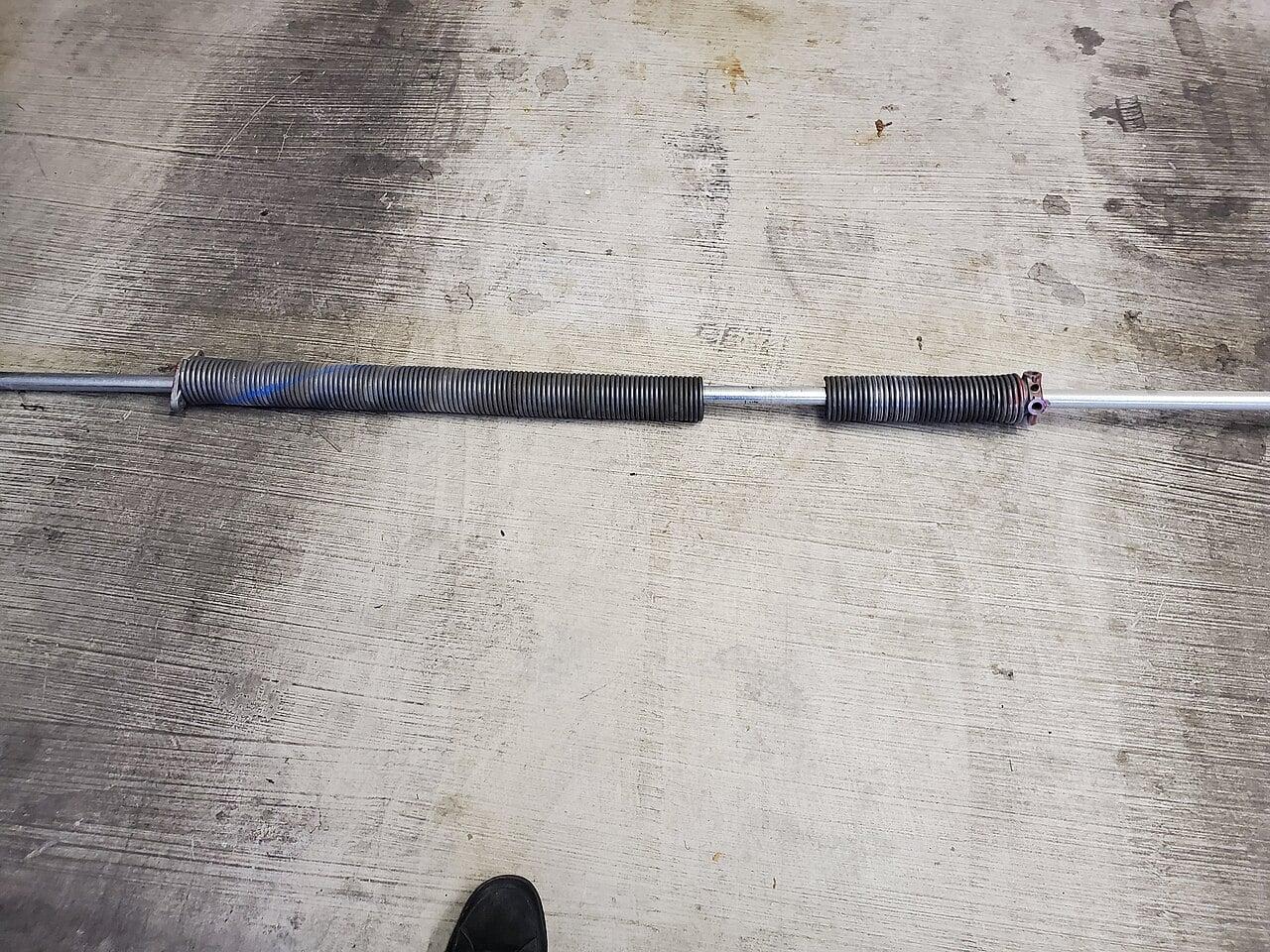
Torsion or extension springs counterbalance the door weight. If a spring is broken or losing tension, the door becomes heavier, causing the motor to strain and potentially reverse. You might see a gap in the torsion spring or hear a loud bang when it fails. Extension springs may show stretched or separated coils. **Do not attempt to adjust or replace torsion springs.** They store lethal amounts of energy and require specialized tools and training. Only visual inspection from a safe distance is recommended for facility staff.
Operator Motor or Control Board Fault
Less commonly, a failing motor or faulty control board can cause erratic behavior, including premature reversal. Symptoms include inconsistent operation, overheating smells, or error codes on the operator panel. If the door operates normally when disconnected from the operator (manual mode) but faults when connected, the issue likely lies in the operator mechanism or electronics. This requires diagnostic testing by a qualified technician.
What Facility Staff Can Safely Check
You can inspect for obvious obstructions, clean photo eye lenses, check for track damage, and test manual operation. Listen for unusual noises and observe door movement. If the door reverses consistently with no visible cause, or if springs, cables, or internal operator components are suspect, stop further investigation. These involve high-tension components or electrical systems that pose serious injury risks.
Frequently Asked Questions
### Can wind pressure cause a commercial door to reverse before closing?
Yes, strong wind pushing against a large door can create enough resistance to trigger the down force safety reversal, especially if the sensitivity is set too low. This is more common on wide, lightweight doors in exposed locations.
Is it safe to lubricate the tracks or rollers myself?
Lubricating rollers, hinges, and bearing plates with a silicone-based lubricant is a routine maintenance task facility staff can perform. Never lubricate the track itself, as this can cause rollers to slip. Avoid grease, which attracts dirt.
How often should photo eyes be checked?
Photo eyes should be visually inspected and cleaned monthly as part of preventive maintenance. Verify alignment and indicator light status during each check to ensure the safety system remains functional.