A commercial overhead door track breaks when the structural integrity of the vertical or horizontal track is compromised, usually due to repeated stress, impact, or misalignment that causes the metal to bend, crack, or pull away from its mounting. This isn’t sudden fatigue—it’s the result of identifiable forces acting on components not designed to handle them. The track guides the door rollers; if it fails, the door can bind, jump the rails, or collapse inward, creating a serious safety hazard in a warehouse or loading dock environment.
Impact Damage from Forklifts or Vehicles
The most common cause of track damage is direct impact. Forklifts, pallet jacks, or delivery vehicles frequently strike the lower vertical track, especially in high-traffic dock areas. Even a glancing blow can dent the track flange or bend the angle where the vertical and horizontal tracks meet. This deformation misaligns the roller path, causing the door to bind or drag. Over time, the stress concentrates at the bend, leading to metal fatigue and eventual cracking. You’ll hear a loud clunk or grinding noise when the door hits the damaged section, and the door may stall mid-cycle. Inspect the track for visible dents, bends, or gaps between the track and the wall mounting brackets—any deviation from straight indicates impact damage requiring professional realignment or replacement.
Misalignment from Loose or Failed Mounting Brackets
Tracks are secured to the building structure with heavy-duty angle brackets and lag bolts. If these bolts loosen due to vibration, or if the bracket itself rusts or pulls away from the wall, the track loses its fixed reference point. The weight of the door and the force of operation then pull the track out of alignment. This often starts as a gradual drift—you might notice the door rubbing on one side or the rollers climbing slightly out of the track. Left unchecked, the track can twist or pull completely free from the wall. Check the bolts quarterly; if they turn easily with a wrench, or if you see gaps between the bracket and the wall, the mounting system is failing. This is a structural issue—do not attempt to re-bolt into compromised masonry or rotted wood framing without assessing the substrate.
Wear and Fatigue in High-Cycle Applications
In facilities with 20+ cycles per day, the constant flexing of the track as the door rolls up and down causes microscopic stress fractures, particularly at the radius where the vertical track curves into the horizontal. This is exacerbated if the door is out of balance—forcing the motor or springs to overcompensate puts uneven load on one side of the track. The failure looks like a hairline crack that grows over time, often starting at a weld seam or bolt hole. You might not hear it until the door suddenly binds or a roller jumps the track. Use a straightedge to check for deviations in the track plane—any gap between the edge and the track face indicates twisting. High-cycle doors need tracks made from thicker gauge steel; standard residential-grade track will fail rapidly under this duty.
Corrosion and Environmental Degradation
In coastal areas of Metro Vancouver or facilities exposed to moisture, road salt, or industrial chemicals, the track can corrode from the inside out. Rust weakens the steel, reducing its cross-sectional strength. You’ll see surface flaking or orange staining, but the real danger is internal pitting that isn’t visible until the track cracks under load. This is especially problematic in the lower vertical track where water pools. Regular cleaning and inspection are essential—wipe down the track monthly and look for bubbling paint or rough texture. Once corrosion has penetrated the metal, painting over it won’t stop the degradation; the affected section must be replaced.
Improper Installation or Use of Wrong Track Gauge
Using residential-grade track on a commercial door is a frequent error. Commercial doors are heavier and operate with higher spring tension; they require 14-gauge or heavier track. Lighter gauge track deflects under load, causing roller binding and premature wear. The failure mode is gradual bending—you’ll notice the track appears to ‘bow’ outward when the door is open. This isn’t something you can correct by tightening bolts; the track itself has yielded. Verify the track thickness matches the door specifications—if in doubt, measure with a caliper or compare to known commercial-grade samples. Substituting the wrong track voids safety margins and invites failure.
What You Can Check Yourself (and What You Can’t)
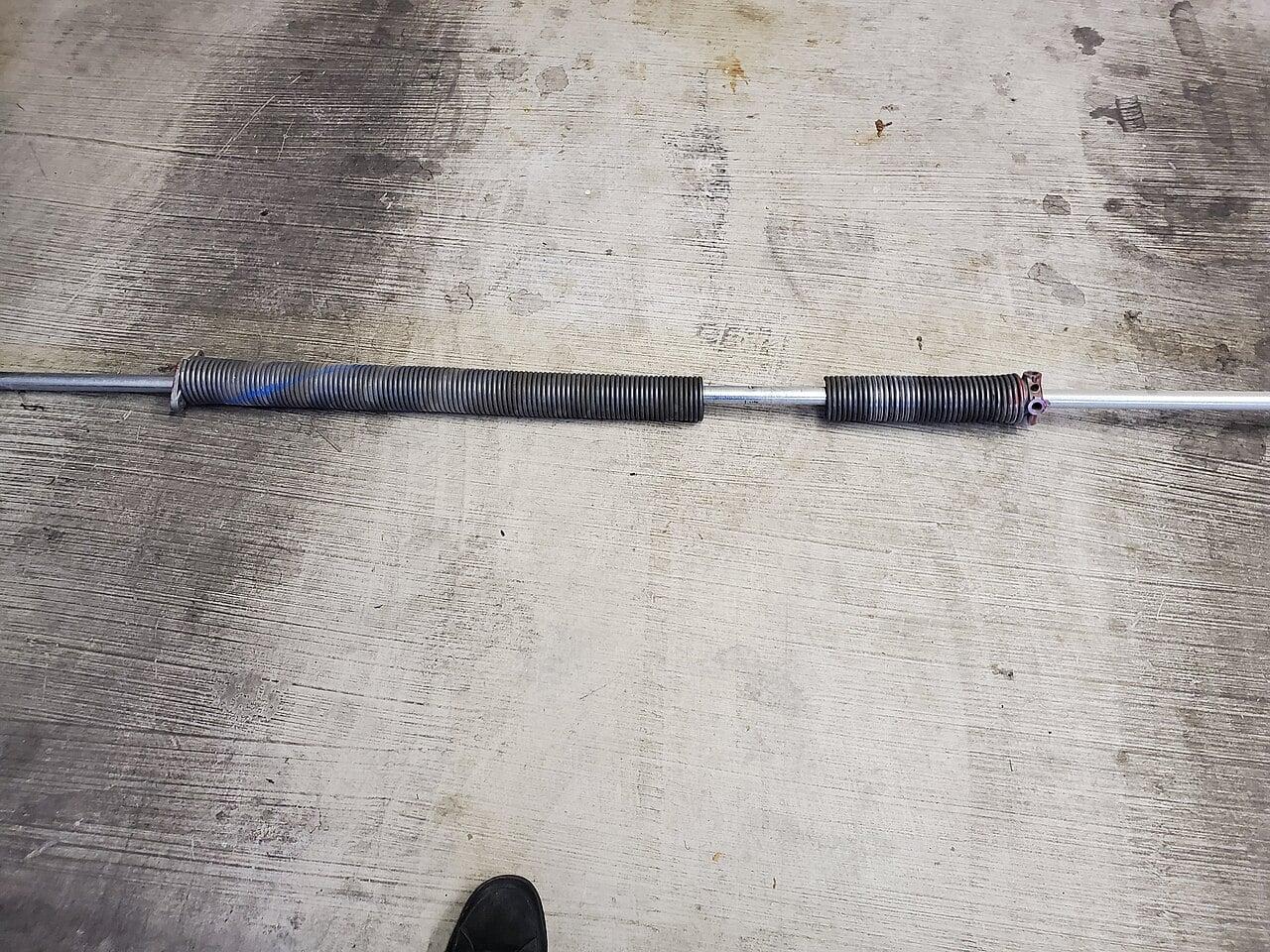
You can safely inspect for visual damage, loose bolts, rust, and alignment using a level and straightedge. Listen for abnormal noises during operation—grinding, scraping, or rhythmic thumping indicates track or roller issues. Keep the track clean and lubricate the rollers (not the track) with silicone-based spray. However, do not attempt to straighten a bent track, replace a section, or adjust mounting into structural wood or concrete if you’re unsure of the substrate integrity. More critically, never loosen or adjust anything connected to the torsion spring system—those springs store lethal energy and must only be handled by trained technicians with proper winding bars. If the door is uneven, sagging, or the springs show signs of wear (gaps in the coil, rust, or elongation), stop operation and call a professional.
Frequently Asked Questions
### Can a bent track be straightened, or does it need to be replaced?
Minor dents that don’t alter the track’s internal width or roller path can sometimes be corrected, but any crease, crack, or deformation that affects roller travel requires replacement. Straightening weakens the metal and risks failure under load.
How often should commercial door tracks be inspected?
At minimum, quarterly visual inspections for damage, bolt tightness, and corrosion. High-cycle or high-exposure environments (docks, food processing, chemical storage) benefit from monthly checks.
What’s the difference between track failure and roller failure?
Track failure involves damage to the guide itself—bending, cracking, or detachment. Roller failure is worn bearings, flat spots, or seized axles causing the roller to drag or jump. Both produce similar symptoms (noise, binding), but the root cause is different.
CCGDS (604) 206-5727