A commercial overhead door that hangs crooked in the opening—where one side is higher than the other when closed or during travel—is frequently traced to a limit switch that is out of adjustment or has failed. The limit switch tells the motor when to stop opening or closing. If one side’s switch trips too early or too late, the motor continues to run on that side, pulling the door unevenly and causing it to bind or skew in the tracks. This misalignment is not just cosmetic; it increases wear on rollers, hinges, and the door itself, and can lead to complete operational failure if not corrected.
How Limit Switches Control Door Travel
Limit switches on commercial overhead doors are mechanical or electrical devices mounted on the shaft or near the motor that actuate when the door reaches its fully open or fully closed position. They interrupt power to the motor to prevent over-travel. Most systems have separate switches for open and close limits, and often two sets—one for each side of the door shaft—to monitor symmetry. When functioning correctly, both sides of the door stop at the same point, keeping the door square in the frame. If one switch is maladjusted, worn, or its actuator arm is bent, that side stops prematurely while the other continues, twisting the door.
Symptoms of a Limit Switch Causing a Crooked Door
The most obvious sign is visual: the door appears tilted when closed, with one end higher than the other. During operation, you may notice the door binding in the tracks on one side, hearing grinding or squealing noises as rollers scrape against the track, or seeing the door jerk or hesitate at a specific point in its travel. The motor may strain or overheat on the side that continues to run after the other has stopped. In some cases, the door may not seal properly at the bottom, leaving gaps that affect weatherproofing or security.
What Causes Limit Switch Misalignment
Limit switches can drift out of adjustment due to vibration from regular use, especially in high-cycle industrial doors. The actuator arm or lever that contacts the switch can become bent if struck by debris or during manual operation. Electrical contacts inside the switch may corrode or fail, causing intermittent signaling. Shaft movement or bearing wear can also alter the position of the switch relative to the actuating cam, making it trip at the wrong point. In rare cases, the switch mounting bracket loosens, allowing the entire unit to shift.
What Facility Staff Can Safely Check
Before calling a technician, facility staff can perform a few visual and operational checks. First, observe the door during a full open and close cycle from inside the facility. Note whether one side consistently lags or leads. With the door closed, inspect the limit switch assembly on the motor shaft—look for bent actuator arms, loose mounting bolts, or obvious damage. Listen for unusual noises at the point where the door seems to bind. Check that the door moves freely by hand when disconnected from the opener (after locking out power); if it binds manually, the issue may be mechanical rather than electrical. Never attempt to adjust limit switches while the door is under power or tension.
Why DIY Adjustment Is Risky
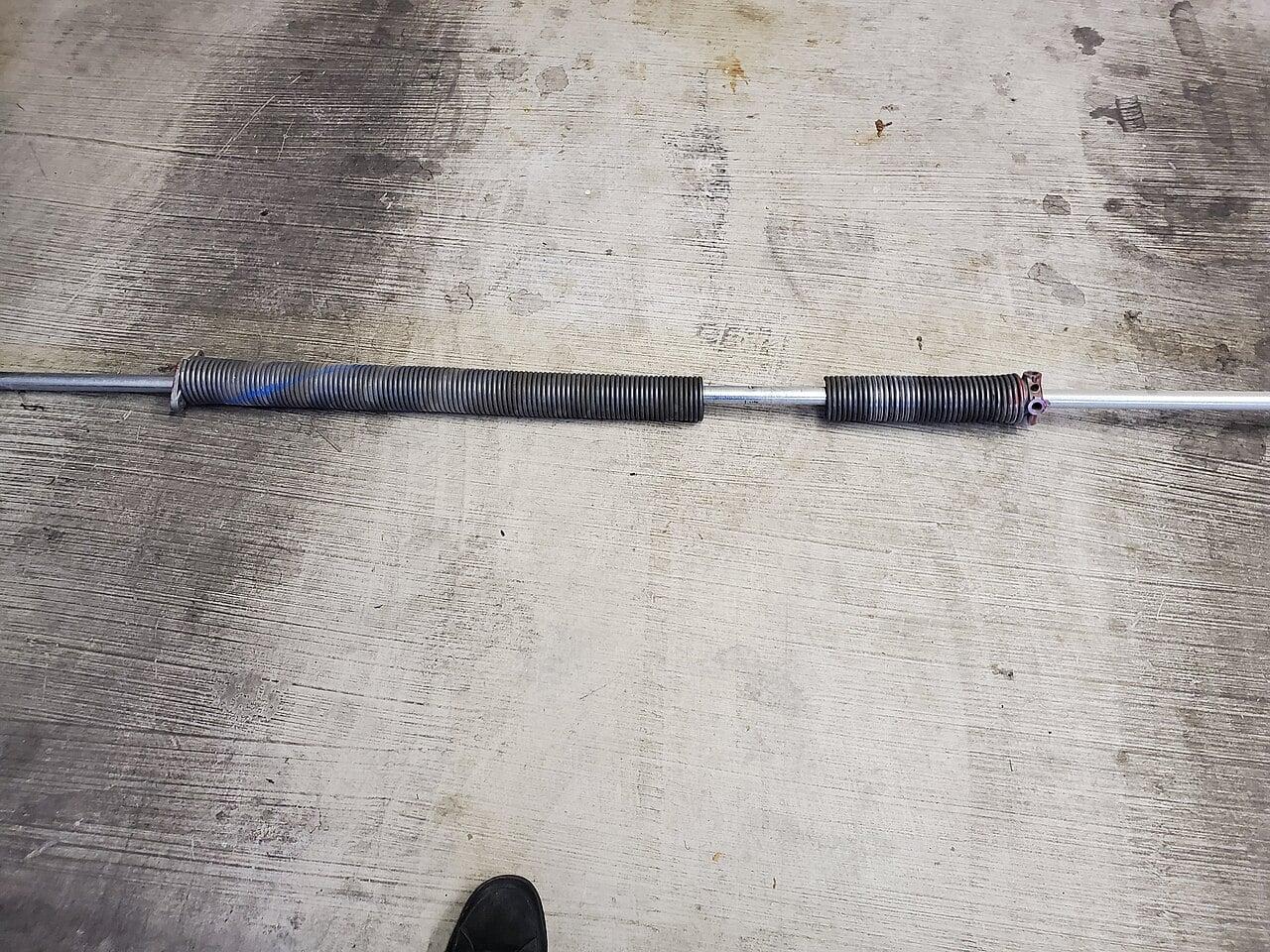
Adjusting limit switches requires cycling the door under power to test settings, which exposes personnel to moving parts and electrical components. More critically, if the door is out of square due to a mechanical issue—like a bent shaft, broken cable, or damaged torsion spring—adjusting the switch will not fix the root cause and may worsen the problem. Torsion springs store lethal amounts of energy; any work involving them must be performed by a trained technician. Misjudging spring tension or attempting to disengage cables without proper tools can result in severe injury or death.
When to Call a Commercial Door Specialist
If visual inspection reveals no obvious switch damage but the door remains crooked, or if adjusting the switch does not correct the travel, the issue likely lies elsewhere—such as unequal spring tension, worn cables, or track misalignment. A technician will use a multimeter to test switch continuity, measure door travel with a tape measure and level, and assess shaft and cable condition. They will also verify that the motor is delivering balanced torque to both sides of the shaft. CCGDS provides diagnostic and repair services for commercial overhead doors across Metro Vancouver; facility managers can reach us at (604) 206-5727.
Frequently Asked Questions
### Can a limit switch cause a door to be crooked only when closing but not when opening?
Yes. Limit switches are often set independently for open and close directions. A fault in the close-limit switch on one side will cause the door to skew during closing while appearing normal when opening, as the open-limit switches may still be functioning correctly.
How often should limit switches be checked on high-cycle commercial doors?
As part of quarterly preventive maintenance, limit switches should be inspected for physical damage, tested for proper actuation, and verified for correct door position. High-cycle doors (over 25 cycles per day) benefit from monthly checks due to increased vibration and wear.
Is it safe to manually override a door that’s stuck crooked due to a limit switch?
Only if the door is disconnected from the opener and secured in place. Never attempt to manually move a door that is still connected to the power source if the limit switch has failed, as the motor may re-engage unexpectedly. Use locking devices and follow lockout-tagout procedures before any manual handling.