When a commercial overhead door fails to close using the remote control, the issue is rarely the remote itself. More often, it’s a safety system preventing operation due to a detected fault. Modern commercial door operators use photoelectric sensors, edge sensors, and limit switches to prevent closing if an obstruction is detected or if the system senses an electrical or mechanical anomaly. If the door starts to close but reverses immediately, or won’t respond to the remote at all while the wall console works, the problem lies in the safety circuit or power delivery to the receiver.
Safety Sensor Misalignment or Obstruction
The most frequent cause of a door refusing to close via remote is misaligned or blocked photoelectric sensors. These are the small units mounted near the floor on either side of the door opening, connected by an invisible infrared beam. If the beam is interrupted — by dirt, condensation, a misaligned bracket, or even sunlight — the operator interprets this as an obstruction and prevents closing. The door may respond to the wall button if held down (bypassing the safety circuit in constant-pressure mode) but ignore the remote. Check that both sensor LEDs are lit steadily; flickering or off lights indicate misalignment or wire damage. Clean the lenses with a dry cloth and verify they face each other squarely.
Power Interruption to the Receiver
The remote receiver requires constant low-voltage power from the operator’s control board. If the receiver loses power — due to a loose wire at the terminal, a blown fuse on the board, or a tripped internal breaker — it cannot decode signals from the remote. The wall console, which is hardwired, may still function. Listen for a faint click in the operator housing when pressing the remote; no click suggests the receiver isn’t energized. Inspect the wiring from the control board to the receiver for corrosion, especially in damp environments like loading bays or washdown areas. A multimeter can confirm voltage at the receiver terminals should read between 12-24V AC or DC depending on the model.
Faulty or Stuck Edge Sensor
Commercial doors often include a sensitive edge sensor — a pneumatic or electric strip along the bottom bar — designed to reverse the door if it contacts an object during closing. If this sensor is stuck in the activated position (due to damage, cold weather stiffening the tubing, or electrical short), the operator believes the door is already obstructed and won’t close via any method. You might notice the door opens fine but won’t initiate a close cycle. Disconnect the edge sensor wires at the control board terminal and test operation with the remote. If the door now closes with the remote, the edge sensor or its wiring is faulty and requires replacement. Do not bypass this safety feature permanently.
Limit Switch Interference
The limit switches tell the operator when the door is fully open or closed. If the close limit switch is misadjusted or failing, the operator may think the door is already closed and ignore further close commands. This can happen after a power surge or mechanical shock. The door might open normally but refuse to close, or close only a few inches before stopping. Manually operate the door to the full closed position and observe whether the limit arm physically trips the switch. Adjustment requires accessing the control box and should only be done by someone familiar with the operator model — incorrect settings can cause the door to drive into the floor or header.
Wiring Damage or Rodent Activity
In industrial settings, wiring running from the operator to sensors or receivers is vulnerable. Rodents chew through insulation, and conduit can crack over time, exposing wires to moisture or abrasion. Intermittent operation — where the remote works sometimes but not others — often points to a partial break or corrosion in the safety circuit wiring. Trace the wires from the sensor brackets back to the operator, looking for pinched sections, UV degradation, or rodent nests. A continuity test on the safety circuit wires (with power off) can identify opens. Never splice sensor wiring without using waterproof connectors rated for direct burial or conduit use.
When to Call a Technician
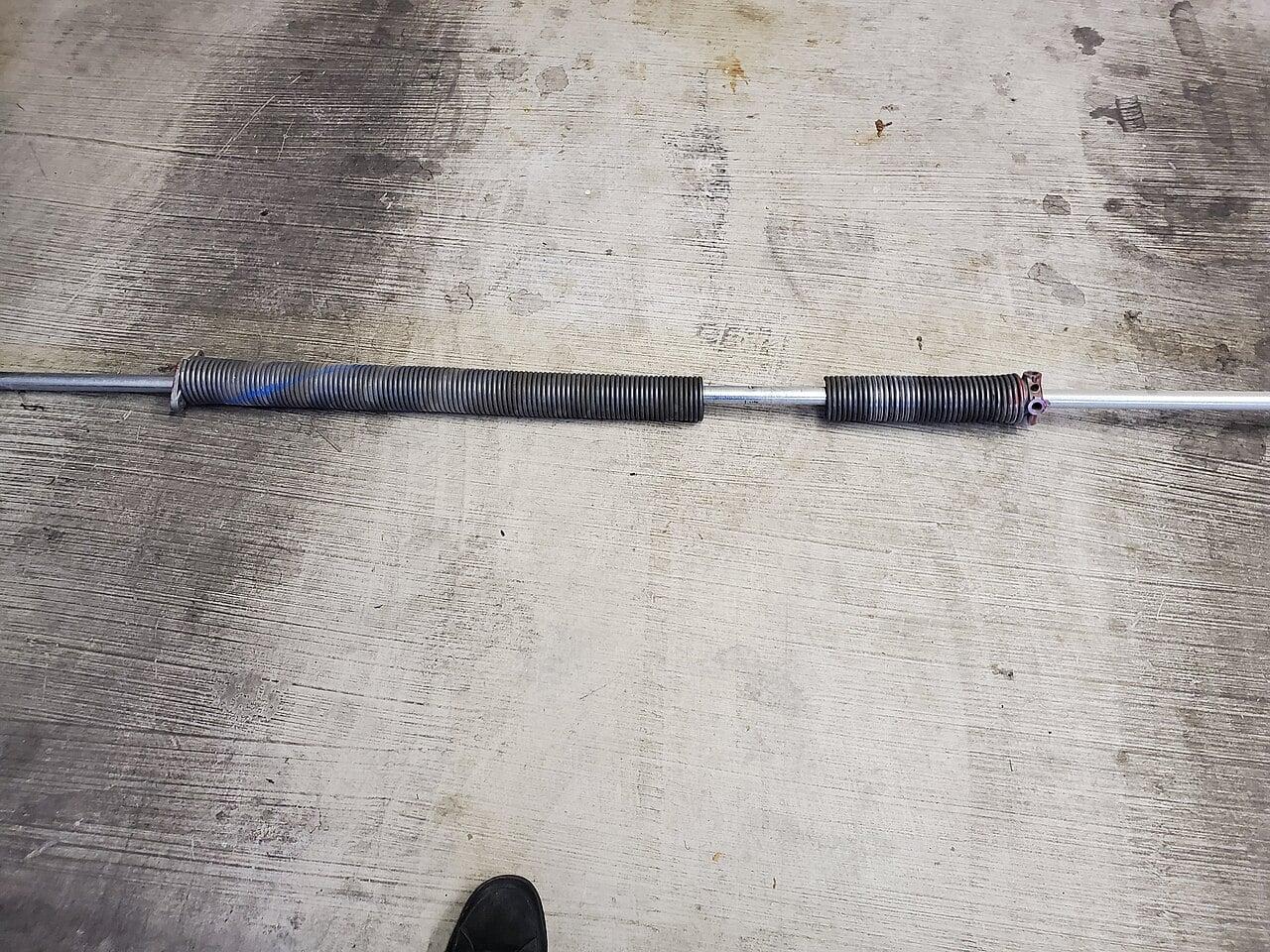
While sensor cleaning and basic wire checks are safe for facility staff, any work involving the control board, limit switches, or torsion spring system carries risk. The torsion spring assembly stores lethal energy — adjusting or repairing it without proper tools and training can cause severe injury or death. If the door exhibits uneven movement, grinding noises, or visible spring damage, do not attempt further diagnosis. Similarly, if the control board shows error codes, emits a burning smell, or the door operates erratically after basic checks, professional service is required. CCGDS serves Metro Vancouver commercial facilities and can be reached at (604) 206-5727 for diagnostic and repair of overhead door systems.
Frequently Asked Questions
### Can sunlight interfere with the safety sensors and prevent the door from closing?
Yes, strong sunlight can overwhelm the infrared receiver in one of the photoelectric sensors, causing it to falsely detect an obstruction. This typically happens at certain times of day when the sun aligns with the sensor lenses. Using sunlight shields or slightly adjusting the sensor angle (while maintaining beam alignment) can resolve this.
If the wall button works but the remote doesn’t, is it always a receiver problem?
Not always — it could also be a low battery in the remote or interference from nearby radio equipment. Try a known-good remote or replace the battery first. If multiple remotes fail but the wall console works, the receiver or its power supply is the likely fault.
Is it safe to disconnect the safety sensors to test if the remote will work?
You can disconnect the sensors temporarily for diagnostic purposes, but only operate the door using the wall button in constant-pressure mode — never leave the safety circuit bypassed or use the remote. The door will close without obstruction detection, creating a serious entrapment hazard if left that way.