A commercial operator duty cycle is the maximum number of complete open-and-close cycles the motor can run in an hour before it overheats and shuts down on thermal protection. Exceed it regularly and you are not just waiting for a cooldown — you are shortening the motor’s life by months with every shift.
Most buyers size an operator by door weight and speed. Duty cycle is the spec that decides whether that operator survives the first year.
What the rating actually tells you
A duty cycle rating is a thermal limit, not a mechanical one. The motor windings generate heat every time they start under load. The housing, fan, and ambient air dissipate it. The rating is the point where heat in equals heat out.
A 25-cycle-per-hour operator — common on light-duty jackshaft units — can handle a warehouse door that opens for the morning shift, a few deliveries, and the evening close. Put that same operator on a loading dock cycling 12 times an hour during receiving and it will trip its thermal overload by lunch. The motor does not know it is “rated for 25.” It only knows its insulation is cooking.
Continuous vs. intermittent — the trap in the spec sheet
Manufacturers test duty cycle at a standard ambient temperature, usually 20°C, with the motor at rest between cycles. Your building does not run at 20°C. A dock door in January with wind whipping through the seals, or a bakehouse door next to an oven, starts every cycle with the motor already warm. The real-world capacity drops 15 to 30 percent before you even press the button.
Intermittent ratings assume a rest period. Continuous ratings do not exist for standard commercial operators — they are all intermittent by design. If your process demands true continuous cycling, you need a different class of motor altogether, typically a gear-reduced direct-drive unit with forced-air cooling, not a standard trolley or jackshaft opener.
How undersizing kills a motor
Heat is the enemy of three things: winding insulation, bearing grease, and the capacitor.
Insulation breaks down exponentially with temperature. Every 10°C above the motor’s rated class cuts the insulation life roughly in half. A motor that should last 15 years fails in three because it spent two hours a day at 130°C instead of 100°C.
Bearing grease hardens and evacuates the raceway. The bearing runs dry, scores the race, and the rotor starts wobbling. That vibration finishes the windings.
Capacitors dry out. A start capacitor that has seen repeated thermal cycling loses capacitance. The motor struggles to start, draws locked-rotor current longer, generates more heat, and the loop tightens until the overload trips or the winding shorts.
You will not see this coming. The operator works fine until it doesn’t. Then it trips, cools, works again, and the maintenance log fills with “reset thermal” entries until the day it smells like burnt varnish and stays dead.
Sizing for the real day, not the average day
Count the busiest hour. Not the average hour. The busiest hour in the busiest month.
A distribution centre might average 18 cycles an hour across a shift but hit 38 during the 7 a.m. to 9 a.m. receiving window. Size for 38. If the operator is rated for 40, you have no margin. Size for 60.
Factor the door. A 14-foot-high sectional with 3-inch tracks and nylon rollers starts easier than a 24-foot rolling steel door with a worn counterbalance. The motor does not care about the door weight once it is moving — it cares about the breakaway torque. A stiff door adds 40 percent more heat per start.
Factor the operator type. Trolley operators on standard-lift doors run cooler than jackshaft units on high-lift or vertical-lift tracks because the mechanical advantage changes. A jackshaft on a vertical-lift door sees higher reflected inertia. The same motor runs hotter.
The cycle counter you already have
Every LiftMaster Maxum, Manaras, and Hörmann commercial operator shipped in the last decade has an internal cycle counter. Most owners never look at it.
Read it quarterly. Compare the logged cycles to the rated duty cycle multiplied by operating hours. If a 30-cycle operator shows 45,000 cycles in a 1,500-hour year, it averaged 30 — but it spent weeks at 50. The counter does not lie. The thermal history is baked into the windings whether you watched it or not.
When to step up a class
Move from light-duty (20–30 cycles/hour) to medium-duty (50–75) when:
- Any single hour exceeds 25 cycles
- The door is over 16 feet wide or 14 feet high
- Ambient temperature regularly exceeds 30°C or drops below 5°C
- The door is a rolling steel or high-speed fabric curtain
Move to heavy-duty (100+) when:
- Two-shift or 24-hour operation
- Dock doors with trailer sequencing
- Parkade gates with peak-hour queues
- Any door tied to a conveyor or automated system that cannot wait for a thermal reset
The spec that is not on the sheet
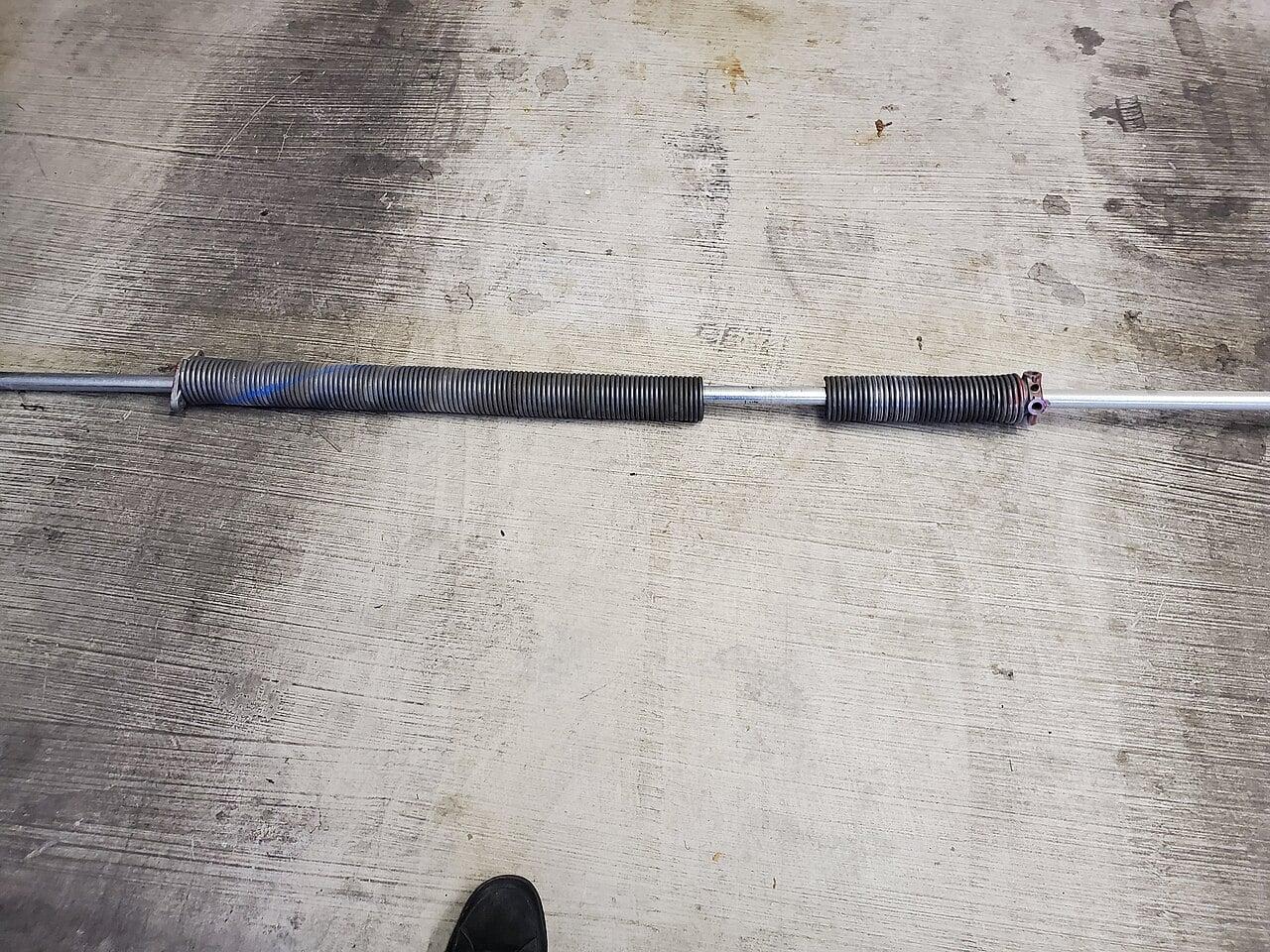
Duty cycle assumes the door is balanced. A door with a weak spring, a binding roller, or a misaligned track can double the motor’s current draw. The operator’s thermal overload protects the motor — it does not protect your schedule. A door that fights the operator every cycle will trip a properly sized motor just as fast as an undersized one.
Check balance before you blame the operator. Disconnect the arm. Lift the door manually. It should stay put at waist height. If it crashes down or flies up, the springs are wrong. Fix that first. No operator rating compensates for a door that weighs 400 pounds on the motor instead of 50.
One question that saves a service call
Before you order: what is the busiest hour this door will see next January?
Not the average. Not the plan. The reality. Size the operator for that hour plus 25 percent margin. The extra cost between a 30-cycle and a 60-cycle unit is a fraction of a single emergency callout, the downtime, and the motor you would have bought twice.
Call (604) 206-5727 — Metro Vancouver.