The door that fails audit is usually the one nobody looked at until the inspector showed up. In a food plant, every opening is a control point — bacteria, allergens, water ingress, temperature drift. The door takes the hardest beating: high-pressure spray, caustic chemicals, thermal shock, forklift impacts, and the cycle count that comes with a three-shift schedule. Specifying the right door is not a procurement line item. It is a HACCP decision.
What washdown actually does to a door
Daily washdown is not cleaning. It is aggressive sanitation. Water at 1500 psi, 80°C, mixed with chlorinated alkaline foam. The spray hits the door face, the frame, the bottom seal, the guide tracks, the motor cover, the photo-eyes — every surface, every shift.
Standard commercial doors fail in predictable ways. Painted steel blisters and flakes, giving bacteria a foothold. Galvanizing breaks down at weld seams and cut edges. Nylon rollers absorb water, swell, and bind in the track. Bottom astragals crack from thermal cycling and trap product residue. Operator housings rated IP54 let water into the windings. Photo-eyes fog or fail when mounted at spray height.
A washdown-rated door is built differently at every component level.
Construction that survives the shift
Curtain material 304 or 316 stainless steel, 2B or #4 finish, minimum 22 gauge. No painted steel. No galvanized. The curtain is the largest surface area and the primary product-contact zone. smooth panels — no horizontal seams across the door width — eliminate the crevice where foam and bacteria hide. Vertical seams are continuous welded and polished, not pop-riveted.
Frame and guides Stainless angle or formed channel, fully welded at corners. No bolted splices in the jamb. Guide profiles are sloped or radiused so water sheets off, not pools. Mounting fasteners are stainless, sealed with food-grade silicone, and capped where exposed.
Bottom seal Solid silicone or EPDM bulb profile, FDA-compliant compound, mechanically retained in an aluminum or stainless retainer — not glued. The seal compresses evenly across the full width. When it wears, you replace the bulb, not the whole bottom bar.
Side and top seals Dual-brush or dual-wiper systems in stainless carriers. The inner wiper blocks spray; the outer brush sheds water. No exposed fasteners in the seal path.
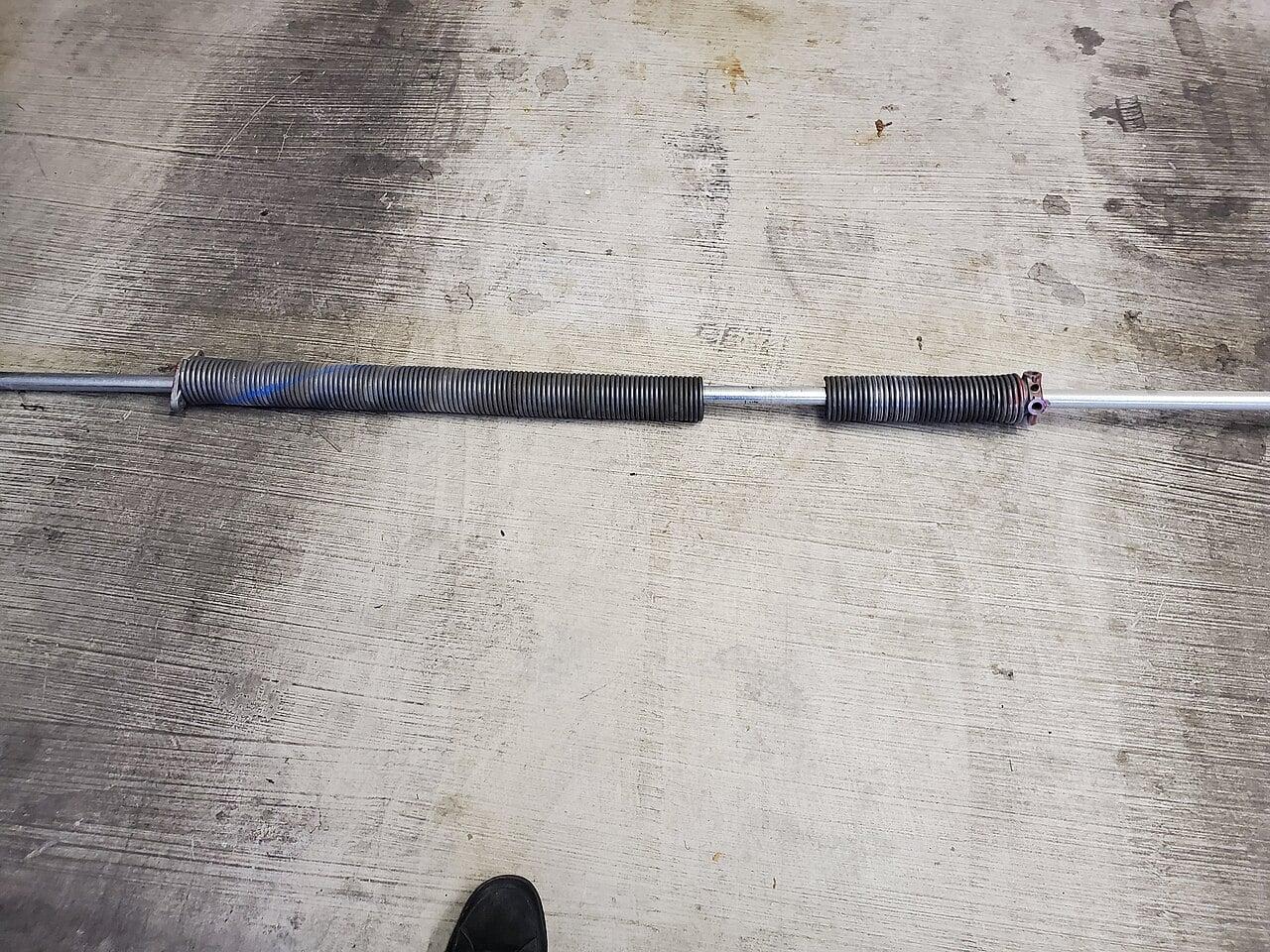
Hardware Stainless shafts, bearings with FDA-compliant grease, polypropylene or stainless rollers with sealed bearings. No plated steel. No zinc. Springs are epoxy-coated or stainless — oil-tempered spring wire rusts inside the coil where you cannot see it until it snaps.
Operator and controls IP69K-rated gearmotor, stainless housing, sealed conduit entries. Control box mounted off the washdown zone — typically 2 m above floor or in a separate NEMA 4X enclosure. Pushbuttons and pull-cords rated IP69K. Photo-eyes in stainless housings with heated lenses, mounted above spray height or recessed into the jamb.
The audit trail starts at installation
CFIA and USDA inspectors look for three things: cleanability, condition, and documentation.
Cleanability means no sharp internal corners, no exposed threads, no gaps wider than 3 mm. You should be able to run a gloved hand over every surface and feel nothing that snags. Condition means no corrosion, no flaking, no cracked seals, no daylight at the perimeter when the door is closed. Documentation means you can show the door was specified for the zone, installed per the manufacturer’s sanitary design guide, and maintained on a written schedule.
The install determines half the audit outcome. A stainless door mounted on a carbon-steel jamb with through-bolts that penetrate the guide creates a crevice you cannot clean. A bottom seal that drags on a rough concrete floor shreds in a week. A photo-eye mounted at 300 mm gets blasted every shift.
We install to the sanitary design standard: continuous silicone seal at the guide-to-wall interface, shimmed guides for plumb within 1.5 mm, floor prep so the bottom seal compresses on a smooth surface, control wiring in sealed stainless conduit. The door ships with a cleaning and inspection checklist keyed to your SSOP. You hand the inspector the binder. They check the boxes. You move on.
High-speed vs. sectional — where each fits
High-speed roll-up doors (fabric or rigid curtain) own the high-cycle interior openings — 50+ cycles per hour, fork-truck traffic, temperature separation between zones. They are not a primary barrier against exterior contamination. The fabric curtain cannot take a pressure washer at close range. The bottom edge wears fast on uneven floors. Use them inside the plant.
Sectional overhead doors own the exterior envelope and the heavy-internal openings — cooler/freezer entries, raw-to-ready separation, loading docks. They take the washdown directly. They seal tighter. They withstand impact. They carry the insulation value (R-25 to R-40 with polyurethane core and thermal breaks) that a fabric door cannot.
The mistake is specifying a high-speed door where a sectional is required, or a sectional where cycle speed matters. The right plant usually has both.
Maintenance that keeps the door in compliance
Daily — Visual check: seals intact, no daylight at perimeter, curtain tracks straight, no unusual noise. Wipe photo-eye lenses.
Weekly — Test reversal forces. Check bottom seal compression across full width. Inspect guide wear strips. Verify drain holes in guides are open.
Monthly — Lubricate bearings and rollers with FDA-compliant grease (H1 rated). Check spring tension — a door that drifts down is a door that fails audit. Torque all accessible fasteners.
Quarterly — Full washdown test: run the door through three cycles during actual sanitation. Watch for water ingress at the operator shaft, control box, and photo-eyes. Document findings.
Annually — Replace bottom seal bulb. Inspect spring coils for corrosion under the coating. Verify IP69K ratings on all enclosures. Update the SSOP appendix with the door’s condition report.
A door that misses two quarterly checks is a finding waiting to happen.
The spec sheet you should hand the engineer
- Curtain: 304 SS, 22 ga, #4 finish, smooth width, continuous welded vertical seams
- Guides: 304 SS formed channel, sloped profile, welded corners, sealed to wall
- Bottom seal: FDA silicone bulb, mechanical retainer, replaceable
- Side/top seals: Dual wiper/brush, stainless carrier
- Springs: Epoxy-coated or 304 SS, cycle-rated for 100k+ cycles
- Hardware: 304 SS shafts, bearings, rollers, fasteners
- Operator: IP69K gearmotor, stainless housing, remote-mounted controls
- Controls: NEMA 4X enclosure, IP69K devices, heated photo-eyes above spray zone
- Insulation: Polyurethane core, thermal break, R-25 minimum for temp-controlled zones
- Finish: Electropolished or passivated, no paint, no galvanizing
- Documentation: Sanitary design compliance letter, cleaning checklist, parts list with material certs
If the spec does not read like this, the door will not pass.
When to call
The door that drags, the seal that leaks, the operator that trips on rinse cycle — these are not nuisances. They are audit risks that compound every shift. We build, install, and maintain washdown-rated sectionals and high-speed doors for plants across the Lower Mainland. If you are specifying a new opening or troubleshooting one that keeps showing up on the corrective-action log, call (604) 206-5727. We will look at the zone, the washdown protocol, and the audit history — then specify the door that passes.