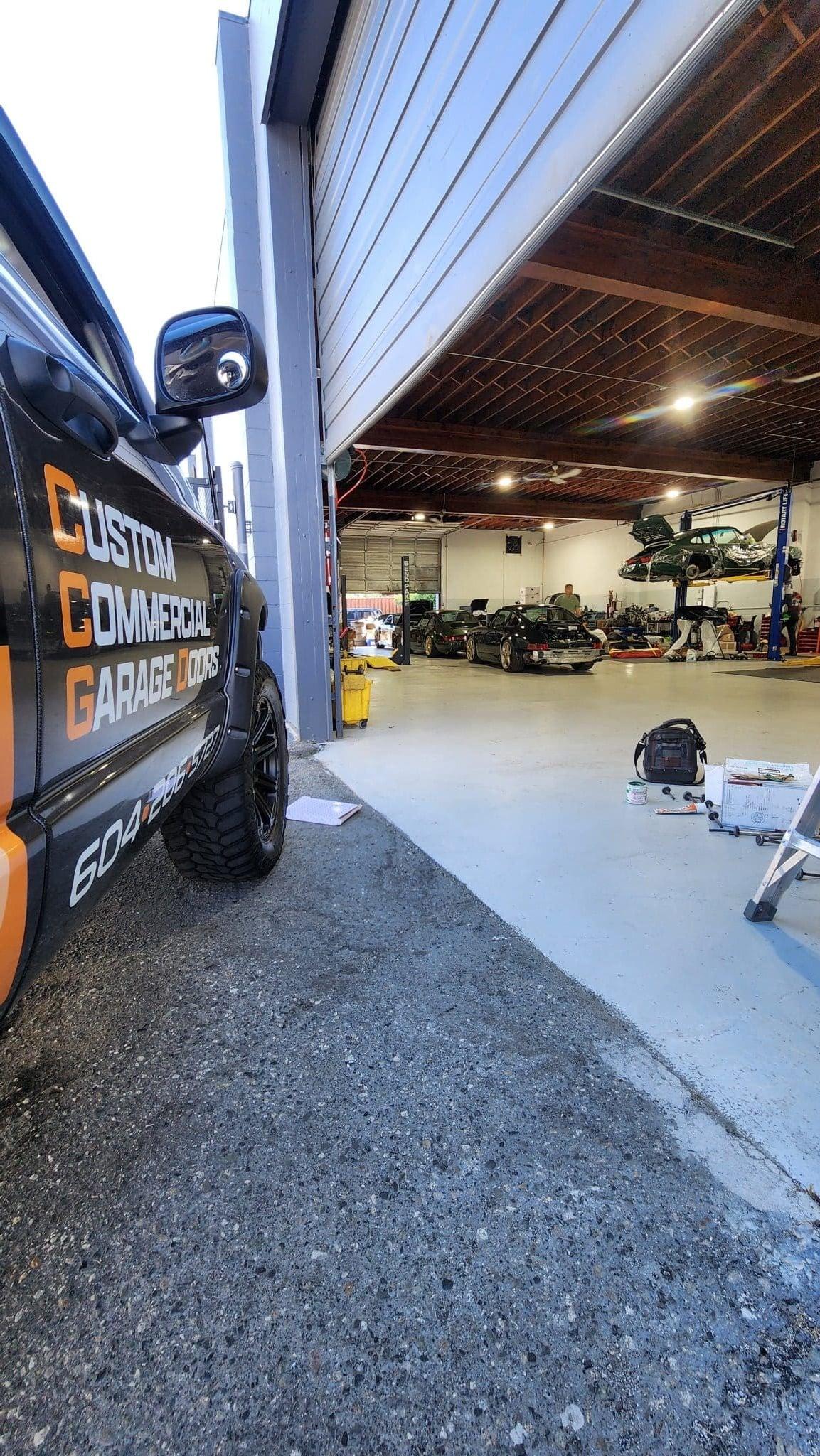
Rodents and birds do not need an invitation. A gap the width of a pencil lets a mouse in. A gap the width of a thumb lets a rat in. Birds need less — just a ledge to nest on and an opening to slip behind. At a loading dock, those openings are everywhere: around the leveler, between the trailer and the building, under the overhead door, through the brush seals that flattened out three winters ago.
If you run a food-adjacent warehouse in Metro Vancouver, you are not fighting a pest problem. You are fighting a building-envelope problem. The pests are just the symptom.
Where the dock leaks
Start at the leveler pit. The rear hinge gap, the side gaps, the front lip where the trailer floor meets the dock — each one is a highway. Mice run the hinge line at night. Rats burrow under the approach pad and come up through the pit drain. Birds nest in the canopy above the door and drop feathers, mites, and droppings onto product pallets.
The overhead door bottom seal is the next failure point. Standard vinyl astragal hardens at 5 °C. By January in Richmond it is rigid as a ruler. The door closes, the seal bridges the low spots in the concrete, and a 12 mm gap appears under the center stile. That is all a rat needs.
Brush seals on the jambs and header? They work until they don’t. Forklift impacts bend the retainer. UV breaks down the filaments. After two seasons the brush lies flat against the jamb, leaving a clean 20 mm runway up the side of the door.
Trailer gaps are the wildcard. No two trailers sit the same height. A 150 mm difference between trailer floor and dock level is common. The dock shelter or seal compresses unevenly. The top corners balloon open. Birds perch on the shelter frame and walk right in.
What actually stops them
Leveler pit seals Not the foam strips that ship with the leveler. They compress to nothing in a week. Use a reinforced rubber skirt that bolts to the rear frame and drapes into the pit, weighted at the bottom so it stays in contact with the concrete floor when the leveler cycles. Stainless fasteners. No adhesive. If the pit floods, the skirt hangs free and drains — it does not wick water into the wall insulation.
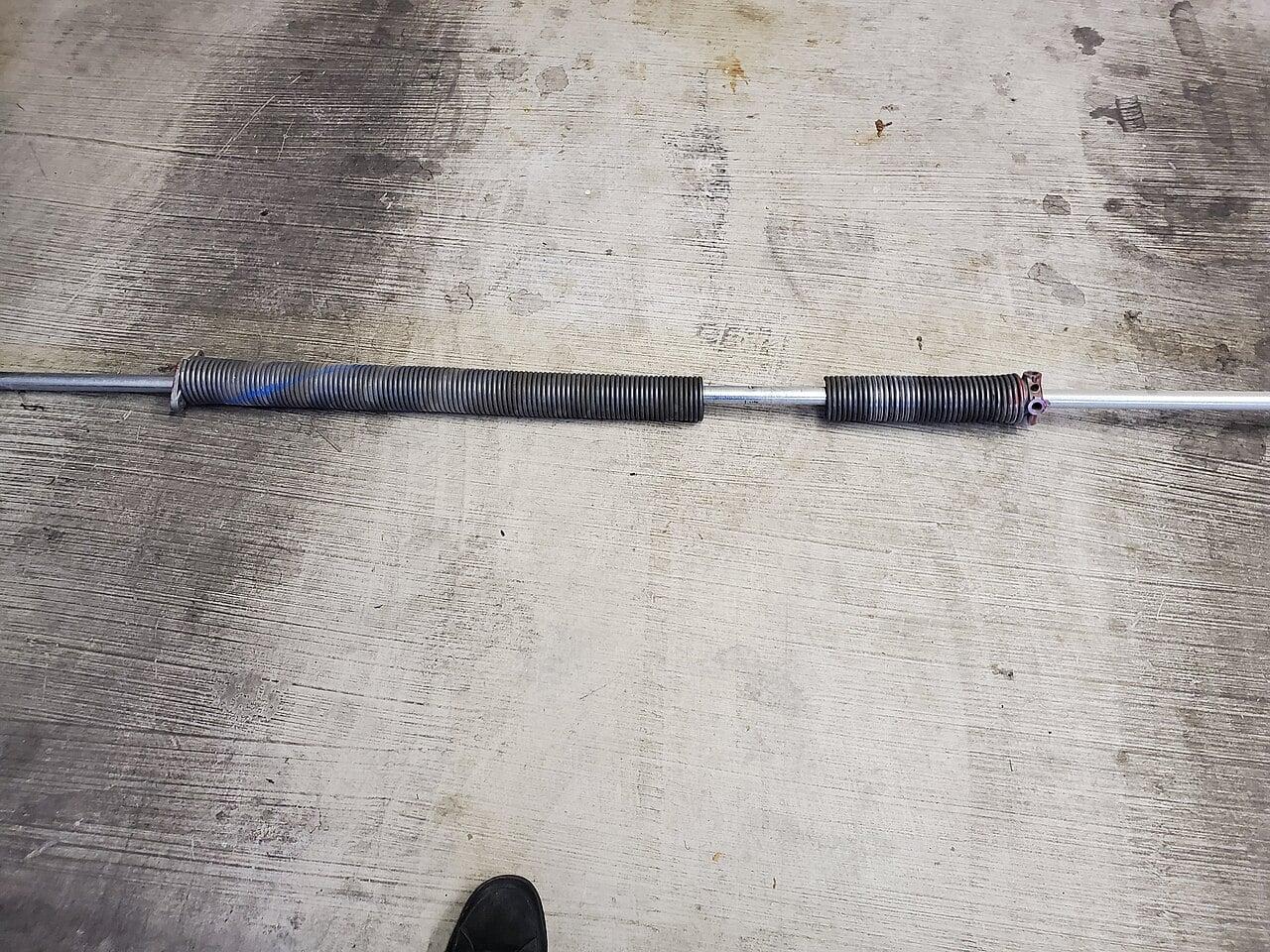
Overhead door bottom seal Swap the vinyl astragal for a dual-durometer EPDM bulb seal rated to -40 °C. The soft outer bulb conforms to uneven concrete. The hard inner spine keeps the bulb from rolling over. Install it in a retainer with a second lip that traps the seal so a forklift tire cannot peel it out. Check the door balance after — the added drag changes spring tension by 5–10 %.
Jamb and header brush Replace the standard nylon filament with a high-density polypropylene brush, double-row, 50 mm trim length. Mount it on an adjustable aluminum retainer so you can dial the contact pressure after the door settles. Once a year, loosen the retainer bolts, push the brush 3 mm tighter, retorque. Five minutes per side.
Dock shelter or seal For food-adjacent sites, a rigid-frame shelter with fabric curtains beats an inflatable seal. No blower to fail. No punctures from trailer corners. Specify 40 oz vinyl-coated polyester curtains with weighted bottom hems and Velcro-sealed corner flaps. The header curtain must overlap the side curtains by 100 mm — not butt-jointed — so wind pressure cannot lift the corner.
Trailer restraint integration If you run a vehicle restraint (hook or wheel chock), the restraint housing cuts a hole in the shelter curtain. Order the curtain with a factory-reinforced cutout and a magnetic closure flap. Field-cut holes fray and leak within a month.
The inspection routine that catches it early
Walk the dock at night with a flashlight. Turn off the interior lights. Light leaks are air leaks. Air leaks are pest highways. Mark every pinhole with masking tape. Next day, seal them.
Check the leveler pit after every wash-down. Standing water means the pit seal is torn or the drain is blocked. Both bring rodents.
Cycle the overhead door with a piece of paper trapped under the bottom seal. Pull the paper. If it slides free anywhere across the width, the seal is not contacting. Adjust or replace.
Watch a trailer back in. Does the shelter curtain kiss the trailer wall at all four corners? If the top corner balloons, the header curtain is too short or the side curtains are too stiff.
What the auditor will ask for
CFIA and GFSI auditors want to see a written exclusion plan. Not a pest-control contract — an exclusion plan. Sketches of every dock opening with seal types, install dates, and inspection frequency. Photos of the installed seals. A log showing the quarterly brush adjustment and the annual bottom-seal swap.
They will also ask for the gap under the overhead door when the door is closed. Measure it with a feeler gauge at three points: left, center, right. Write the numbers down. If center exceeds 6 mm, you fail.
One job that pays for itself
A single rat contamination event — one pallet of packaged product condemned, two hours of production downtime, the auditor’s follow-up visit — costs more than retrofitting every seal on a four-dock facility. The seals are not expensive. The labor is an afternoon per door. The hard part is remembering to do it before the auditor shows up with a flashlight.
Call (604) 206-5727 — Metro Vancouver.