A standard sectional door ships in four to six weeks. A custom wind-load rated door with a high-lift track and a jackshaft operator pushes ten to fourteen. The gap between those numbers is where most projects go sideways.
Lead time starts the day the shop drawing is approved — not the day you request a quote. Every revision, every missing measurement, every “I’ll get back to you on the colour” adds days on the front end before the factory even sees the order.
What drives the timeline
Door type is the biggest lever. A 12-by-14 insulated sectional in white with standard lift and a trolley operator? That sits on a shelf or runs down a standard production line. Two to three weeks, sometimes less if the distributor has stock.
Change one variable — 16-foot height, vertical lift, 3-inch track, custom R-value, a non-standard powder coat — and the order enters a job shop queue. That queue moves at the speed of the slowest component. Springs, track, panels, operator, safety edges: they all have to land on the same receiving dock on the same day.
Engineering approvals add a week minimum. If your building department requires stamped drawings for wind load or seismic, the manufacturer’s engineer has to review the opening, the mounting surface, and the local code amendment. That review sits in a queue behind every other project in your region. You do not jump it by calling.
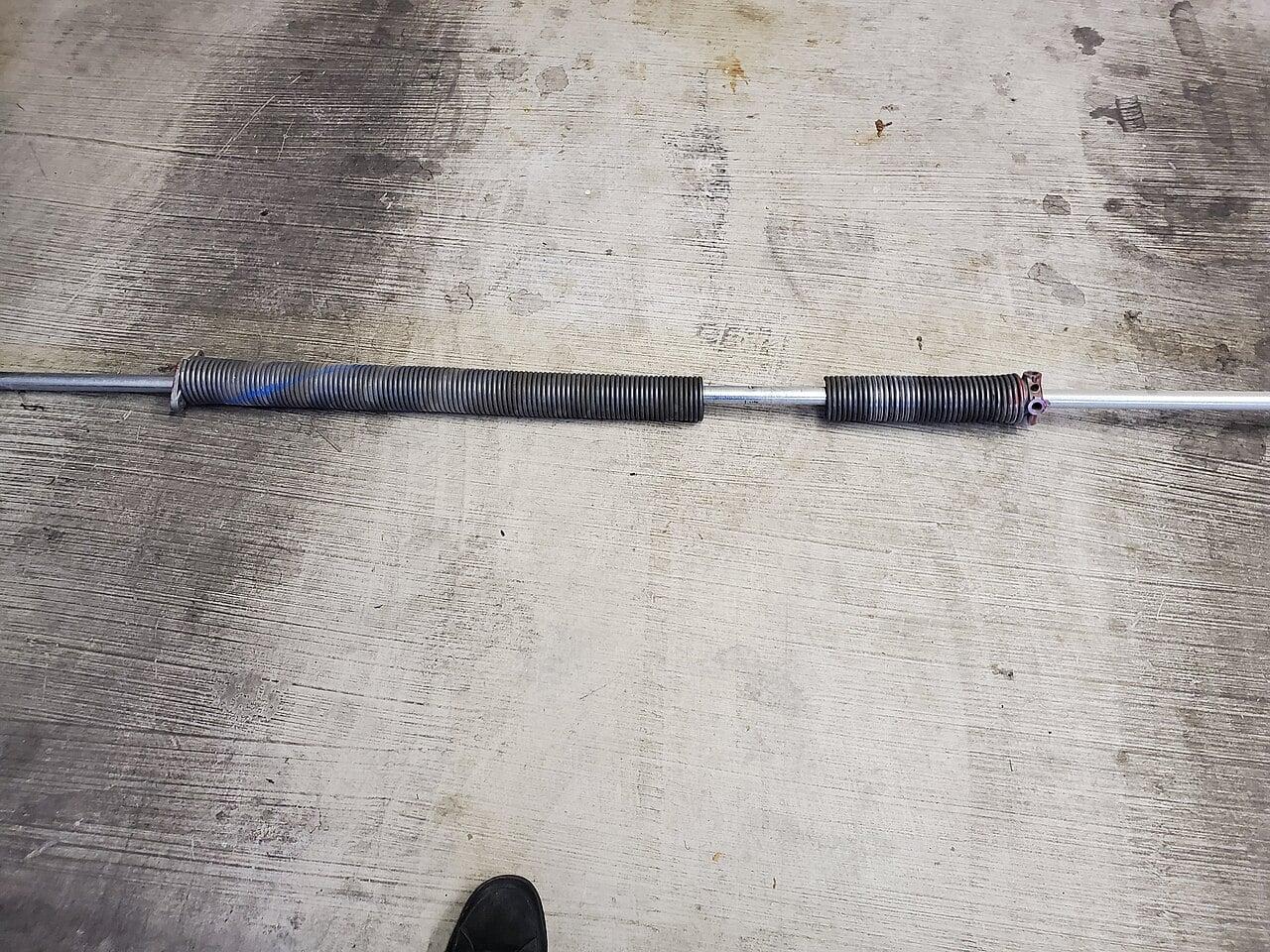
Hardware availability is the silent killer. The panels might ship on time. The torsion springs — wound to your exact cycle rating and wire size — might come from a different plant. The photo eyes and edge sensors might be on allocation from the electronics supplier.
The brands we see most and how they move
Amarr runs a lean production schedule. Standard commercial models (Classica, Olympus, Heritage) move fast — two to three weeks door-only. Their custom wind-load and hurricane lines add a week. Raynor runs similar. Their FireCooler and Aspen lines are built to order; expect five to seven weeks.
Hörmann and Manaras-Opera are European supply chains. The door panels ship by container. If the size and spec match a North American stocking profile, three to four weeks. If the container has to be cut for your opening, add the ocean transit plus port dwell plus rail to the Lower Mainland. Eight to twelve weeks is realistic.
LiftMaster Maxum operators are usually in stock at the major distributors. Jackshaft models (H, J, T) ship same week. Trolley operators for high-lift or vertical-lift doors sometimes need a specific drive shaft length — that’s a factory mod, add five business days.
How to bridge the gap
Don’t demo the old door until the new one is on site. This sounds obvious. It is the single most ignored rule in the trade. A dock door opening with no door is a security hole, a weather leak, a pest highway, and an OSHA citation waiting for the next inspector. Keep the old door cycling — even if it’s noisy, even if it’s patched — until the replacement sits in the staging area.
Rent a temporary curtain. Industrial vinyl strip curtains or insulated fabric panels hang from the header in an afternoon. They don’t seal like a sectional, but they hold heat, block wind, and satisfy the “secure opening” requirement for most insurance and strata bylaws. Cost runs a few hundred dollars installed. Cheaper than a emergency heat loss claim.
Stage the operator swap. If the operator is the only thing failing, replace the operator first. Keep the existing panels and track. A jackshaft swap takes half a day. That buys you the full lead time on the door panels without losing dock function.
Order the high-wear parts now. Springs, cables, rollers, bottom seals — these fail on their own schedule, not yours. If the new door is eight weeks out, order a spring kit and a cable set for the existing door today. They ship in two days. When the old spring snaps at 6 a.m. on a Tuesday, you swap it in an hour instead of waiting for an emergency call-out.
The measurement trap
Field measurements cause more delays than factory backlogs. “Rough opening 12 by 14” gets you a door that doesn’t fit. You need: finished opening width and height, headroom (clear to obstruction), sideroom (each side), backroom (depth into building), mounting surface (steel, concrete, wood, block), and the exact track configuration — standard, high-lift, vertical, low-headroom, follow-the-roof.
Miss the sideroom by two inches and the track hits a column. Miss the headroom by three and the operator won’t mount. The shop drawing catches it, but the revision cycle burns a week. Measure twice. Send photos. Mark the obstructions on a sketch.
What to ask your supplier before you sign
- Is the lead time quoted from order acknowledgment or from drawing approval?
- Which components are stocked locally versus factory direct?
- What is the current longest single-component lead time on this spec?
- Can we partial-ship — operator and hardware first, panels second?
- What is the restocking fee if the project cancels after drawing approval?
Get the answers in writing. Verbal timelines are not contracts.
When the schedule slips
It will. Plan for it. Build a two-week buffer into your critical path. Tell the general contractor six weeks when the quote says four. If the door arrives early, you look organized. If it arrives on the quoted date, you’re still inside your buffer.
Keep the old door maintained during the wait. Lubricate the springs monthly. Check cable tension. Test the photo eyes. A door that fails while you’re waiting for its replacement turns a planned project into an emergency — and emergency pricing is never in your favour.
—
Call (604) 206-5727 — Metro Vancouver.